


A brand I worked with doubled their revenue in six months on Amazon. Then their margins disappeared just as fast. Same products. Same demand. Completely different outcome.
That’s the part no one leads with.
If you’re thinking about selling on Amazon, you’ve probably heard the upside already. Massive traffic, built-in trust, faster sales. And yes, those benefits of selling on Amazon are real. But so are the trade-offs, and they tend to show up after you start scaling, not before.
The pros and cons of selling on Amazon aren’t just about fees or competition. They shape how your business runs day to day, from pricing to fulfillment to how visible your products actually are.
So the real question isn’t just is selling on Amazon worth it. It’s whether it fits the kind of business you’re trying to build.
What Does It Actually Mean to Become an Amazon Seller
Selling on Amazon sounds simple. Upload products, turn on ads, start making sales. And to be fair, that’s part of the appeal. Brands choose Amazon because it puts their products in front of people who are already ready to buy. It shortens the path from discovery to purchase in a way most channels can’t.
When you sell on Amazon, you’re not just listing products. You’re operating inside a marketplace that controls how products are ranked, displayed, and chosen. That means success depends on more than just having a great product. You’re constantly managing product data, pricing, inventory, reviews, and fulfillment speed. Even small gaps, like missing attributes or delayed stock updates, can quietly reduce visibility and sales.
There are also two main ways to operate. With FBA, Amazon handles storage and shipping, making scaling easier. With FBM, you stay in control but take on more operational work.
So while selling on Amazon gives you access to demand quickly, staying competitive requires ongoing optimization behind the scenes.
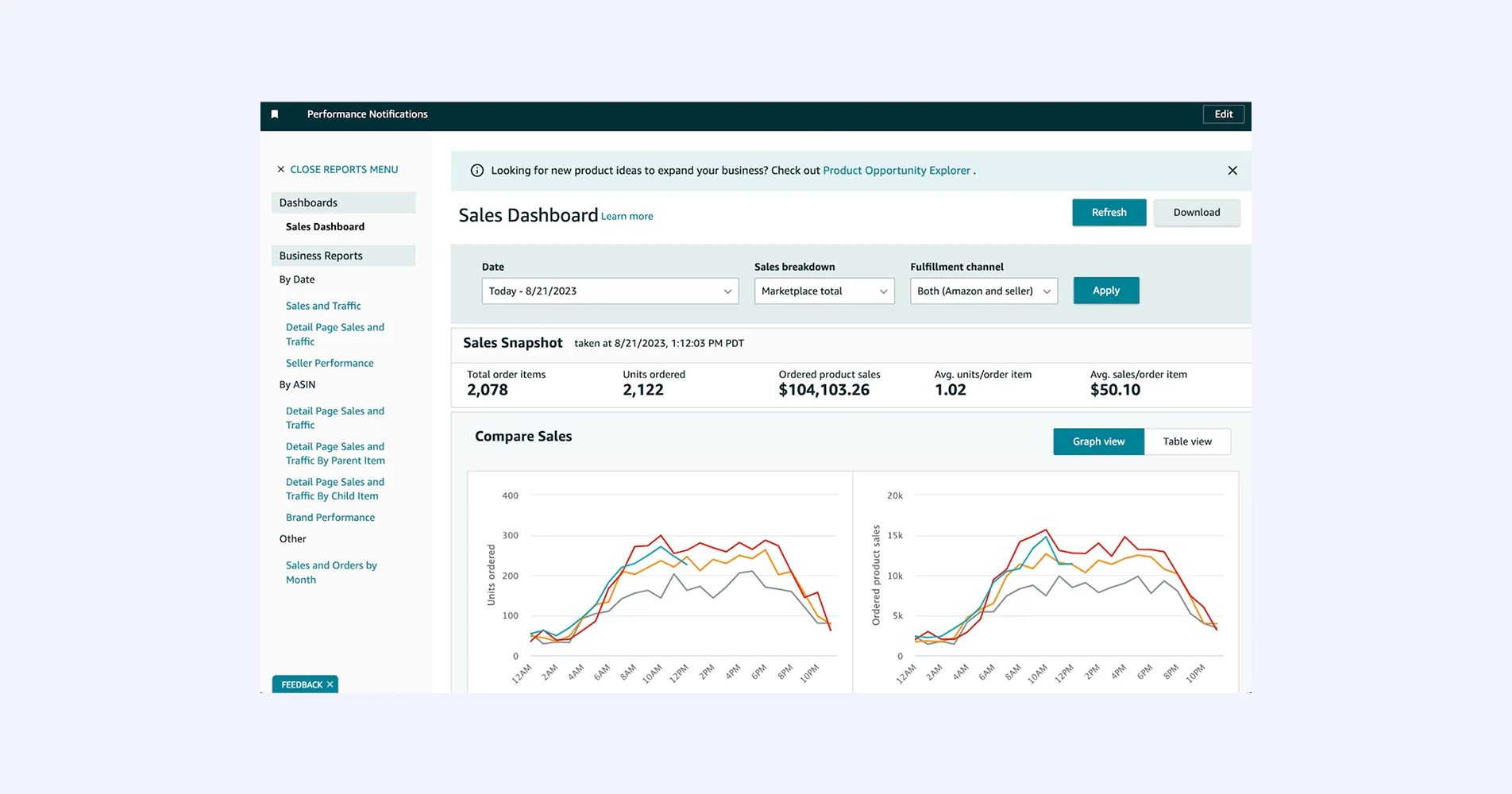
The Pros: Why Sell on Amazon?
1. Built-In Demand with High Purchase Intent
The main reason brands choose to sell on Amazon is the quality of demand. People aren’t casually browsing or looking for inspiration. They are searching with a clear intent to buy, which makes Amazon very different from channels like social media or content marketing.
This means your product is shown to customers who are already comparing options and deciding what to purchase. Instead of spending time and budget driving traffic, you are tapping into an existing stream of high-intent shoppers.
For many brands, this shortens the path to revenue significantly. A product that might take months to gain traction on a standalone website can start generating sales much faster on Amazon because the demand is already built into the platform.
2. Conversion Rates You Can’t Replicate Easily
Amazon doesn’t just bring in high-intent traffic; it converts that traffic at a level most brands struggle to achieve on their own websites. The difference comes from a combination of trust, streamlined checkout, and an algorithm that prioritizes products that consistently convert.
On a typical ecommerce site, a 2 to 3 percent conversion rate is considered strong. On Amazon, that benchmark is significantly higher. According to Emplicit’s breakdown, top-performing listings now need conversion rates above 19 percent to remain competitive in search rankings.
This creates a powerful feedback loop where products that convert well gain more visibility, which in turn drives even more sales. For brands, this means that a well-optimized listing on Amazon can outperform other channels when it comes to turning product views into actual revenue.
3. Amazon Accelerates Product Validation
Amazon has become one of the fastest ways to validate whether a product will actually sell before investing heavily in other channels. Instead of relying on assumptions or small test campaigns, brands can launch directly into a marketplace where real purchase intent already exists.
Data from Jungle Scout shows that many sellers now use Amazon’s third-party marketplace as a testing ground before expanding into retail, TikTok Shop, or their own ecommerce channels. The reason is simple. You get immediate feedback based on real sales, not just clicks or engagement.
Within a short period, you can understand pricing sensitivity, demand levels, and how your product compares to competitors. This allows brands to make faster, more confident decisions about which products to scale and which ones to refine or drop.
4. Logistics Infrastructure (FBA) Unlocks Scale
Fulfillment is one of the biggest barriers to growth for ecommerce brands, and this is where Amazon creates a real advantage. With Fulfilled by Amazon (FBA), you can outsource storage, shipping, and returns to a system that is already built to operate at scale.
Instead of managing your own warehouse, hiring staff, and handling last-mile delivery, you send inventory to Amazon and let their network handle the rest. This not only reduces operational complexity but also improves delivery speed, which directly impacts conversion rates and Buy Box eligibility.
FBA also gives your products Prime status, which increases visibility and trust with customers who expect fast, reliable shipping. For growing brands, this means you can scale order volume without rebuilding your logistics infrastructure every time demand increases.
5. Amazon as an Acquisition Channel (Not Just Revenue)
Most brands treat Amazon as a revenue channel, but it works just as effectively as a customer acquisition engine. It’s often the first place customers discover your product while actively comparing options, which means you’re reaching people at the exact moment they’re ready to buy. That kind of exposure is difficult to replicate elsewhere without significant ad spend or time investment.
Even though you don’t own the customer relationship, that first purchase still creates downstream value. Customers who have a good experience often search for your brand later, visit your website, or purchase again through other channels. When you look at Amazon this way, it becomes less about short-term margin and more about how it feeds long-term growth across your entire ecommerce ecosystem.

The Cons: Risks of Selling on Amazon
1. Margin Compression Is Worse Than It Looks
At first glance, Amazon’s fees seem manageable. But once you layer in referral fees, FBA costs, and advertising, margins can shrink much faster than expected. What looks profitable on paper can quickly turn into break-even or worse as volume increases.
The bigger issue is how sensitive your margins become at scale. According to Seller Labs, recent FBA fee changes have made margin tracking critical, where even a $0.25 increase per unit can translate into a $10,000 loss annually, depending on volume. Small cost changes don’t stay small for long on Amazon.
This is why many brands struggle after initial growth. Revenue goes up, but profitability doesn’t follow at the same pace, forcing brands to constantly adjust pricing, costs, and operations just to maintain healthy margins.
2. You’re Competing on Systems, Not Just Products
Selling on Amazon is no longer just about having a better product. You are competing inside a system that evaluates how your listing performs across multiple signals, not just price or reviews. Visibility is influenced by how well your product data is structured, how quickly you fulfill orders, and how consistently your listing converts.
Newer systems like COMO and RUFUS are pushing rankings further toward behavioral signals such as dwell time and semantic relevance. In simple terms, Amazon is evaluating how shoppers interact with your listing and how closely your content matches what they are searching for.
This means you are no longer just selling a product; you are feeding an algorithm. Brands that understand and optimize for these systems gain visibility, while others get buried regardless of product quality.
3. Product Data Complexity Becomes a Bottleneck
As you scale on Amazon, product data becomes harder to manage and more important to performance. Every listing relies on structured fields like titles, attributes, categories, and keywords, and even small errors can reduce visibility without any clear signal.
The challenge is that this data needs constant updates. For larger catalogs, this turns into an ongoing operational burden, and without a solid system in place, product data issues can quietly limit growth even when demand is strong.
4. Multi-Channel Inventory Sync Becomes Risky
Selling on Amazon alongside your own site or other channels introduces a hidden risk: inventory accuracy. When stock levels aren’t perfectly synced, you can end up overselling or showing unavailable products, which directly impacts customer experience and performance metrics.
That risk is higher than ever. With Amazon enforcing stricter standards like a 90% On-Time Delivery Rate (OTDR), even a single sync error can lead to penalties or account suppression. What used to be an operational inconvenience can now disrupt your entire sales channel, making reliable inventory systems essential for anyone scaling across multiple platforms.
5. You Don’t Own Your Growth Engine
One of the biggest trade-offs of selling on Amazon is that you don’t control the customer relationship. You don’t get access to emails, you can’t build direct communication, and your ability to create long-term loyalty is limited to what happens within the platform.
This matters more as you scale. Instead of building a brand you fully own, you are growing inside someone else’s system where visibility, traffic, and rules can change at any time. Over time, this makes it harder to increase customer lifetime value and forces you to keep acquiring new customers rather than retaining them on your own terms.
Is Selling on Amazon Worth It? A Strategic Framework
Step 1: Check Your Margins First
Margins determine everything on Amazon. Between referral fees, FBA costs, and advertising, your profit can shrink quickly. If your margins are below 30% to 40%, it becomes much harder to stay profitable once you start scaling.
Step 2: Evaluate Product Differentiation
If your product is easy to replicate, you will likely end up competing on price. That usually leads to lower margins and unstable performance. Unique or branded products are more defensible and give you more control over pricing and positioning.
Step 3: Assess Operational Readiness
Amazon rewards consistency and punishes gaps. You need systems in place to handle inventory sync, product data updates, and pricing changes without delays. If these break, your visibility and sales can drop quickly.
Step 4: Define Amazon’s Role in Your Business
The most important decision is how you use Amazon. If it becomes your only growth channel, you increase your risk. If you treat it as one channel within a broader strategy, it can drive acquisition while your owned channels build long-term value.
How Smart Brands Actually Scale on Amazon
Brands that scale successfully on Amazon don’t treat it like a simple sales channel. They treat it like a system that needs to be optimized continuously across data, operations, and creative.
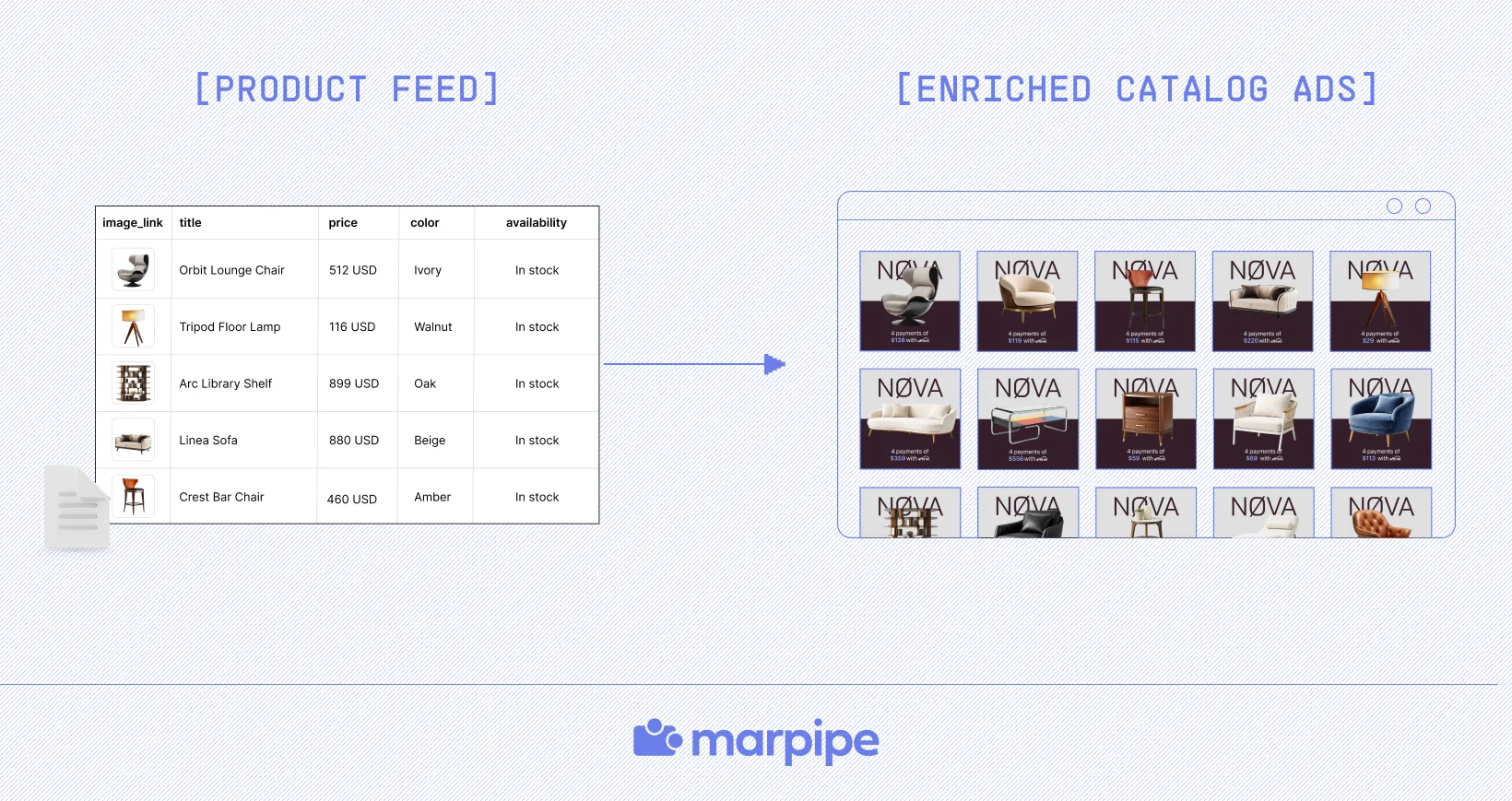
First, they invest heavily in product data. Clean, structured, and optimized feeds are what drive visibility, not just good products. Instead of manually updating listings, they rely on systems like feed management tools to keep product data accurate, enriched, and aligned with how customers search. This ensures their listings stay competitive as catalogs grow.
Second, they don’t rely on static listings. They treat creative as a performance lever. High-performing brands constantly test images, titles, and formats to improve conversion rates over time. Tools like catalog ad creative solutions allow teams to scale this testing without slowing down execution.
Finally, they connect Amazon to a broader growth system. Amazon drives acquisition, but long-term value is built across channels. The brands that win are the ones that treat Amazon as part of a larger strategy, not the entire strategy.
Ready to Scale Amazon Without Guesswork?
If you’re serious about selling on Amazon, the difference between growing and plateauing usually comes down to how well you manage your product data and creative at scale.
Book a demo to see how Marpipe helps brands turn their product feeds and catalog ads into a real growth engine.
Frequently Asked Questions
How much does it cost to sell on Amazon?
Selling on Amazon includes several layered costs that add up quickly. You typically pay a monthly subscription fee of about $39.99 for a professional account, plus a referral fee on each sale that ranges from around 8 to 15 percent depending on the category. If you use FBA, you also pay fulfillment and storage fees based on size and weight. On top of that, most brands need to spend on ads to stay competitive. When combined, these costs can take a significant portion of revenue, so profitability depends heavily on strong margins and careful cost management.
Should you choose FBA or FBM?
The choice between FBA and FBM depends on your priorities. FBA handles storage, shipping, and returns for you, which makes it easier to scale and improves conversion rates because of Prime eligibility. It is usually the better option for most brands focused on growth. FBM gives you more control over logistics and can be more cost-effective if you already have an efficient fulfillment setup. However, it requires more operational work and can impact delivery speed. In most cases, brands start with FBA for convenience and transition to a hybrid approach as they scale.
Should you sell on Amazon and your own site at the same time?
Yes, and most successful brands do exactly that. Amazon is excellent for capturing demand because customers are already searching with intent to buy, while your own website is where you build brand loyalty and long-term customer relationships. Selling on both allows you to balance short-term revenue with long-term growth. Amazon can introduce new customers to your product, and your website can turn those customers into repeat buyers. Relying on only one channel increases risk, so combining both creates a more stable and scalable ecommerce strategy over time.
What sells fastest on Amazon?
Products that solve a clear, immediate need tend to sell fastest on Amazon. This includes everyday essentials, problem-solving items, and products with strong demand signals like high search volume and consistent reviews. Categories like home goods, health and personal care, electronics accessories, and beauty products often perform well because customers frequently repurchase them. Price competitiveness and convenience also play a big role. Products that are easy to understand, competitively priced, and backed by strong reviews typically move faster than niche or highly complex items that require more consideration.
What are the best ways to get reviews on Amazon?
The most effective way to get reviews on Amazon is by delivering a strong customer experience and making it easy for customers to share feedback. Using Amazon’s “Request a Review” feature helps automate compliant review requests. Packaging inserts can also encourage reviews as long as they remain neutral and do not ask specifically for positive feedback. Fast shipping, accurate listings, and quality products naturally lead to better review rates. It is important to follow Amazon’s guidelines closely, since incentivizing or manipulating reviews can result in penalties or account issues.