Best TikTok ads
Best TikTok Ads
TikTok punishes anything that announces itself as an ad. Marpipe demonstrates how catalog creative can still carry branding, offers and product detail while reading as native to the feed, across a whole product range rather than a single hero asset.
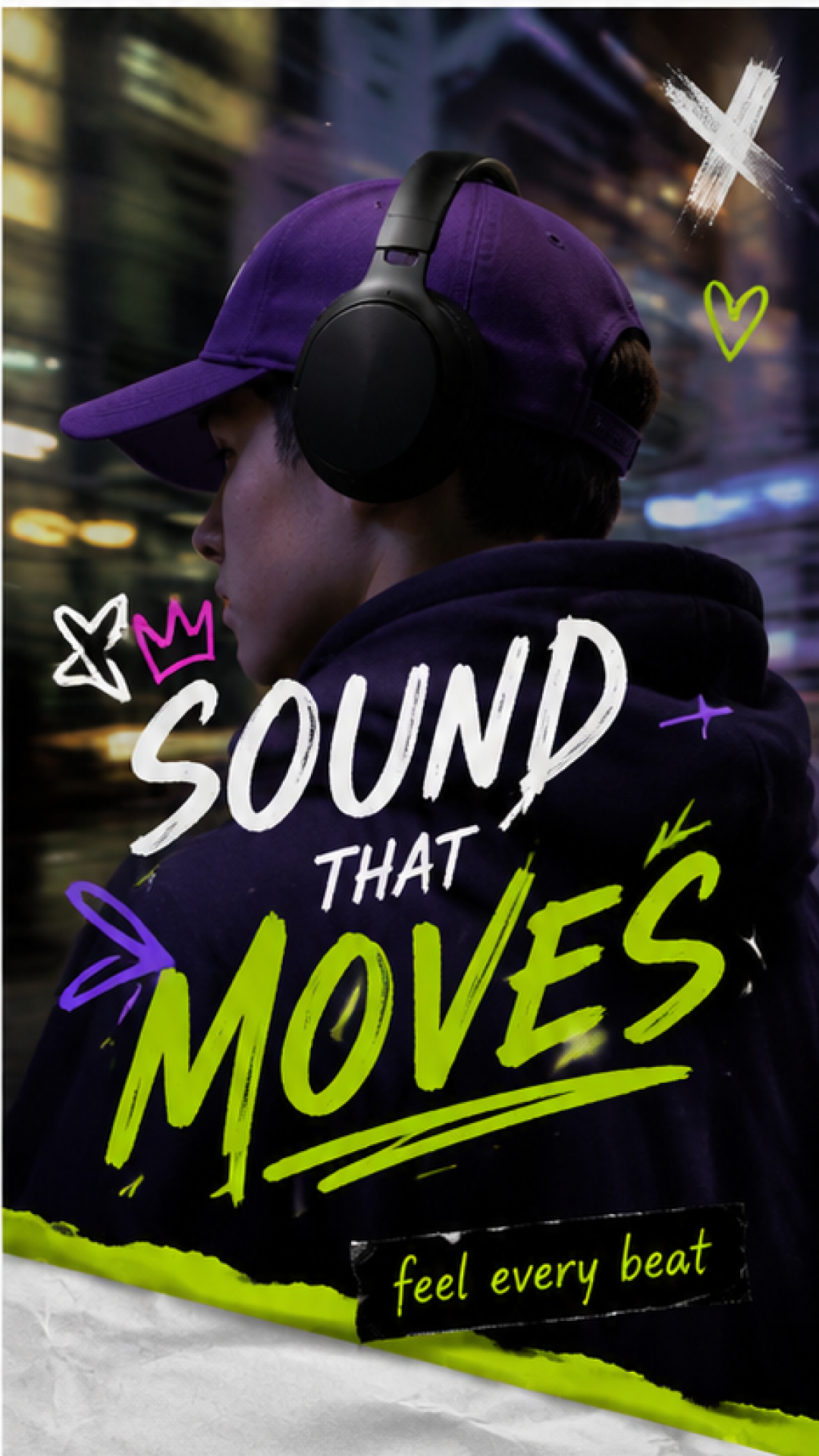
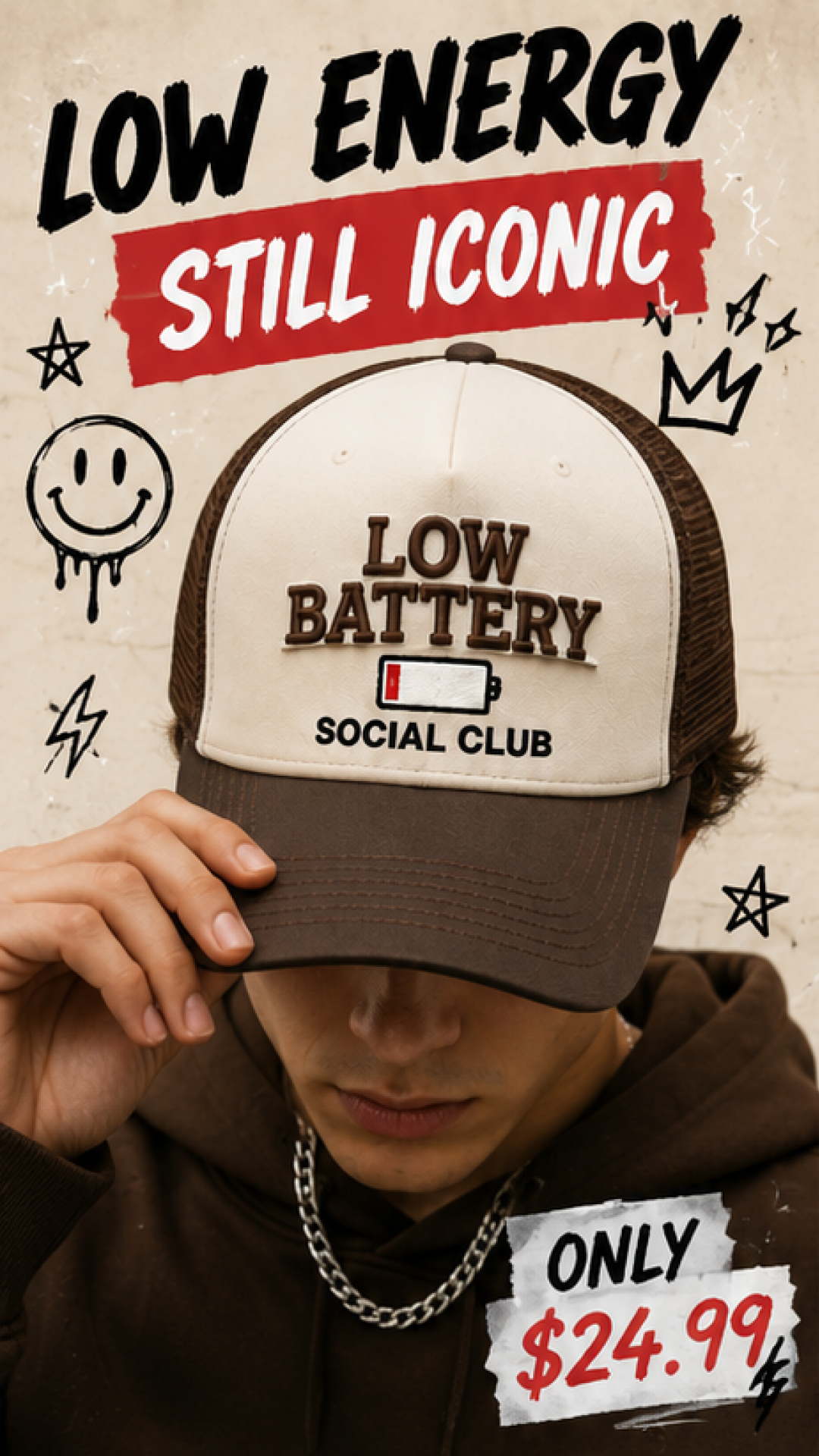
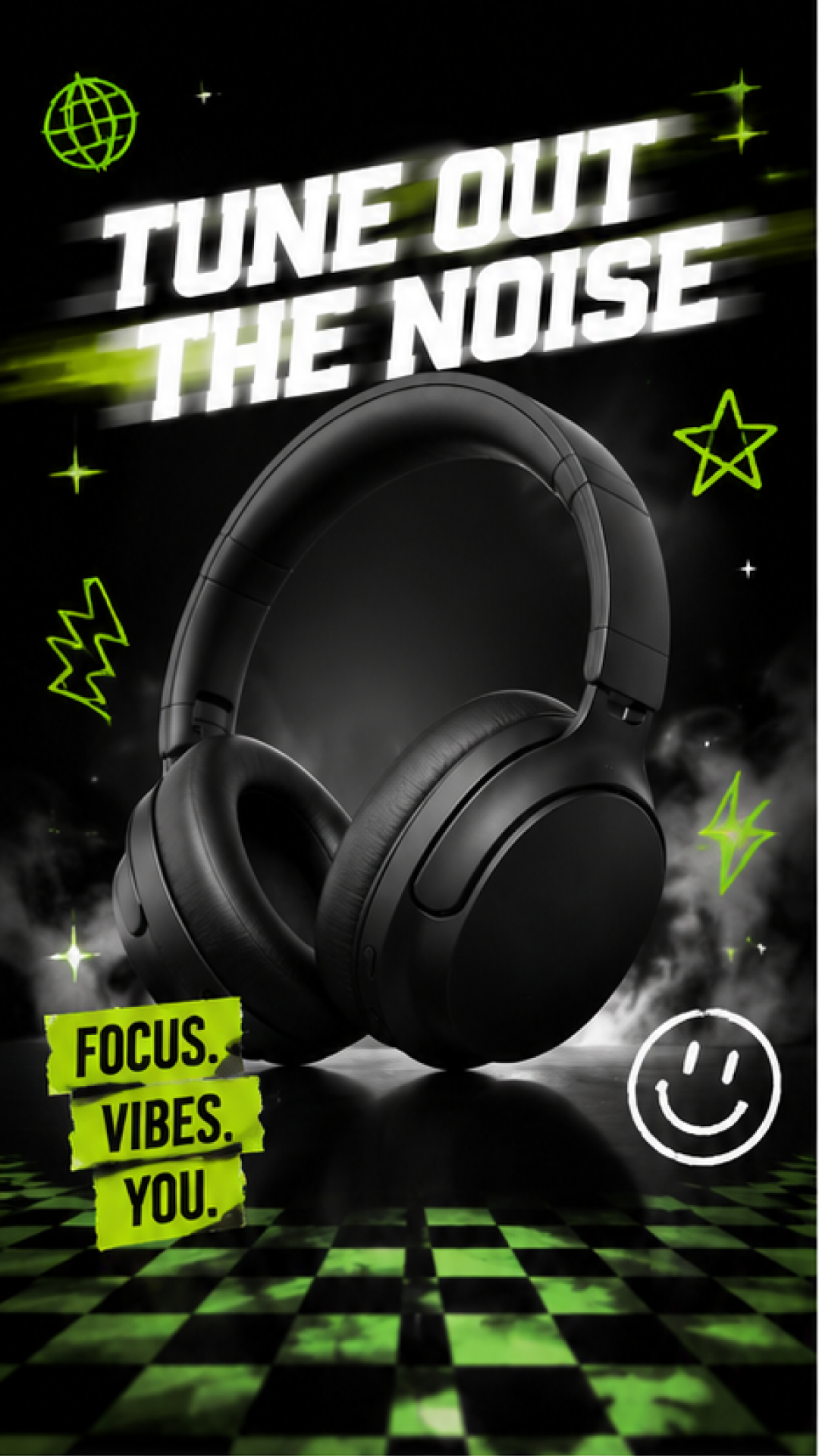
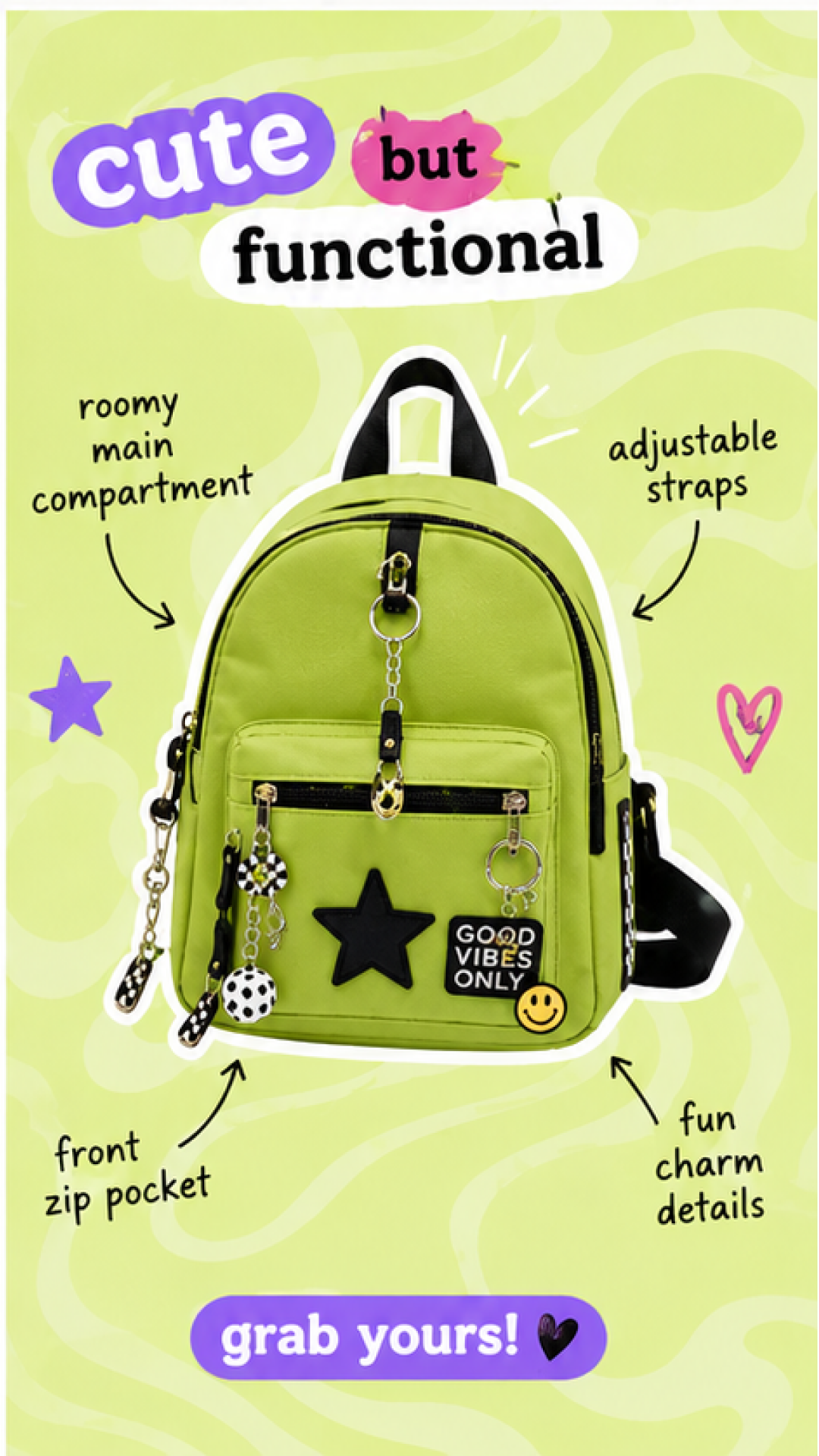
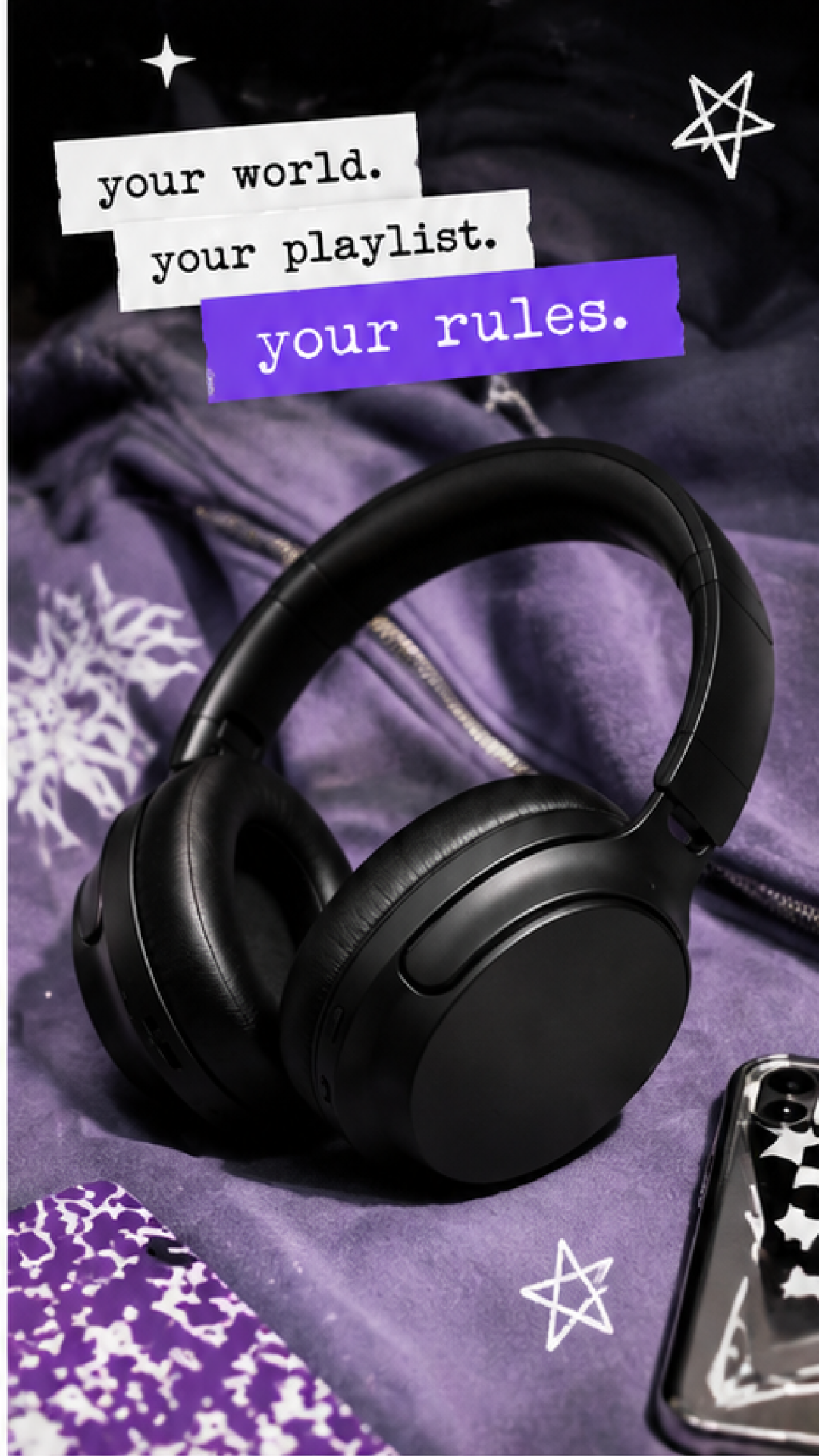
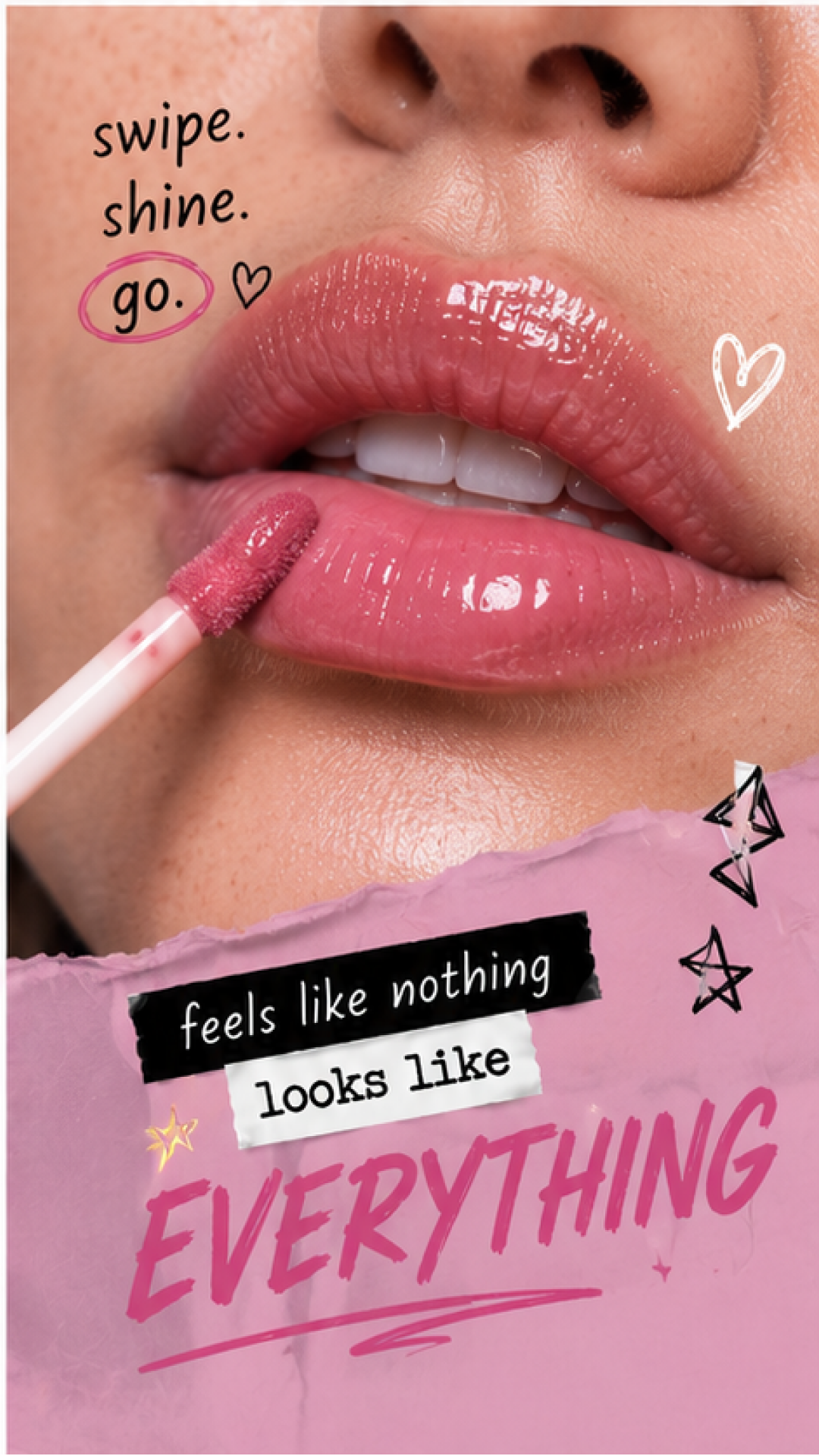
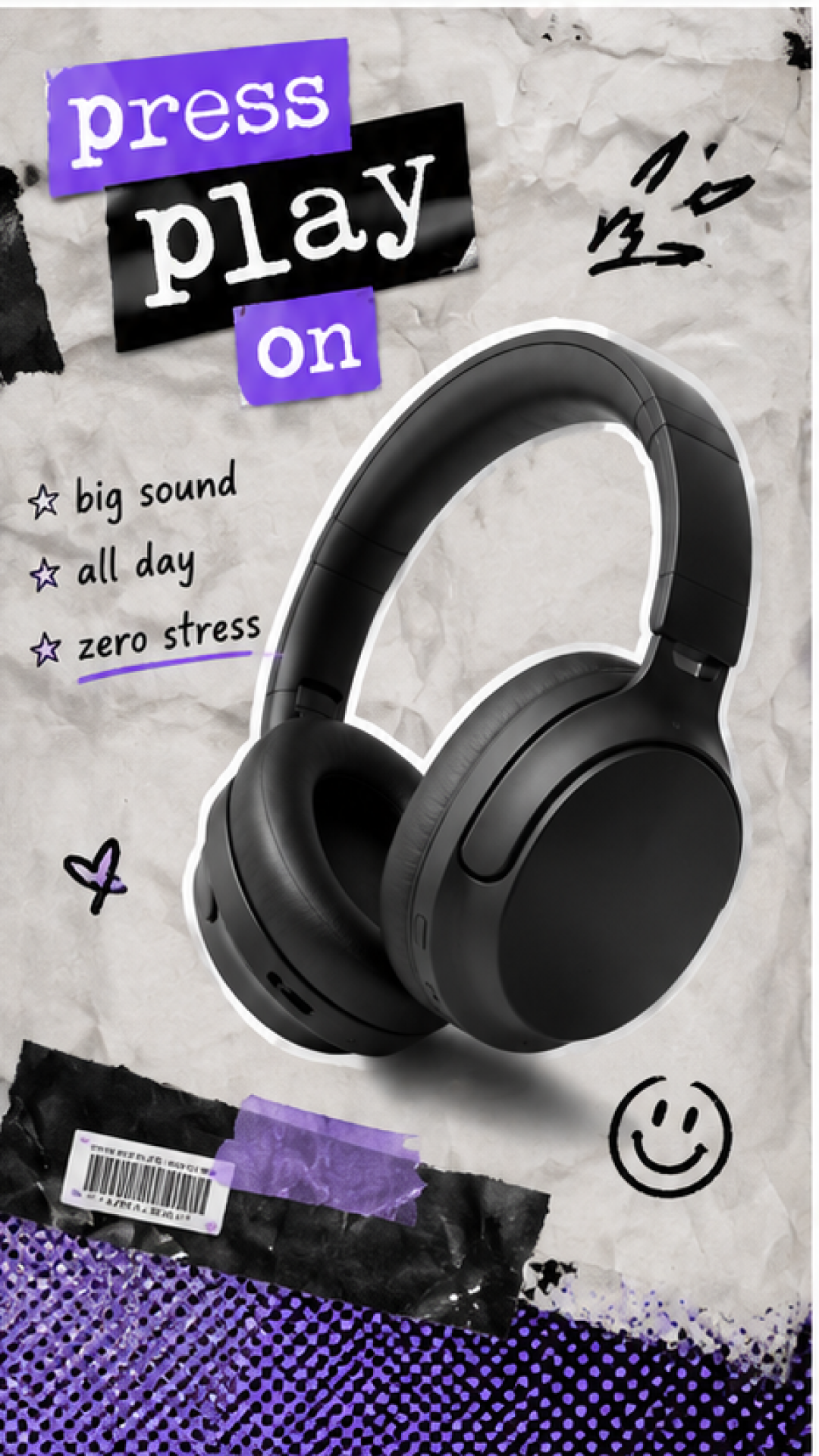
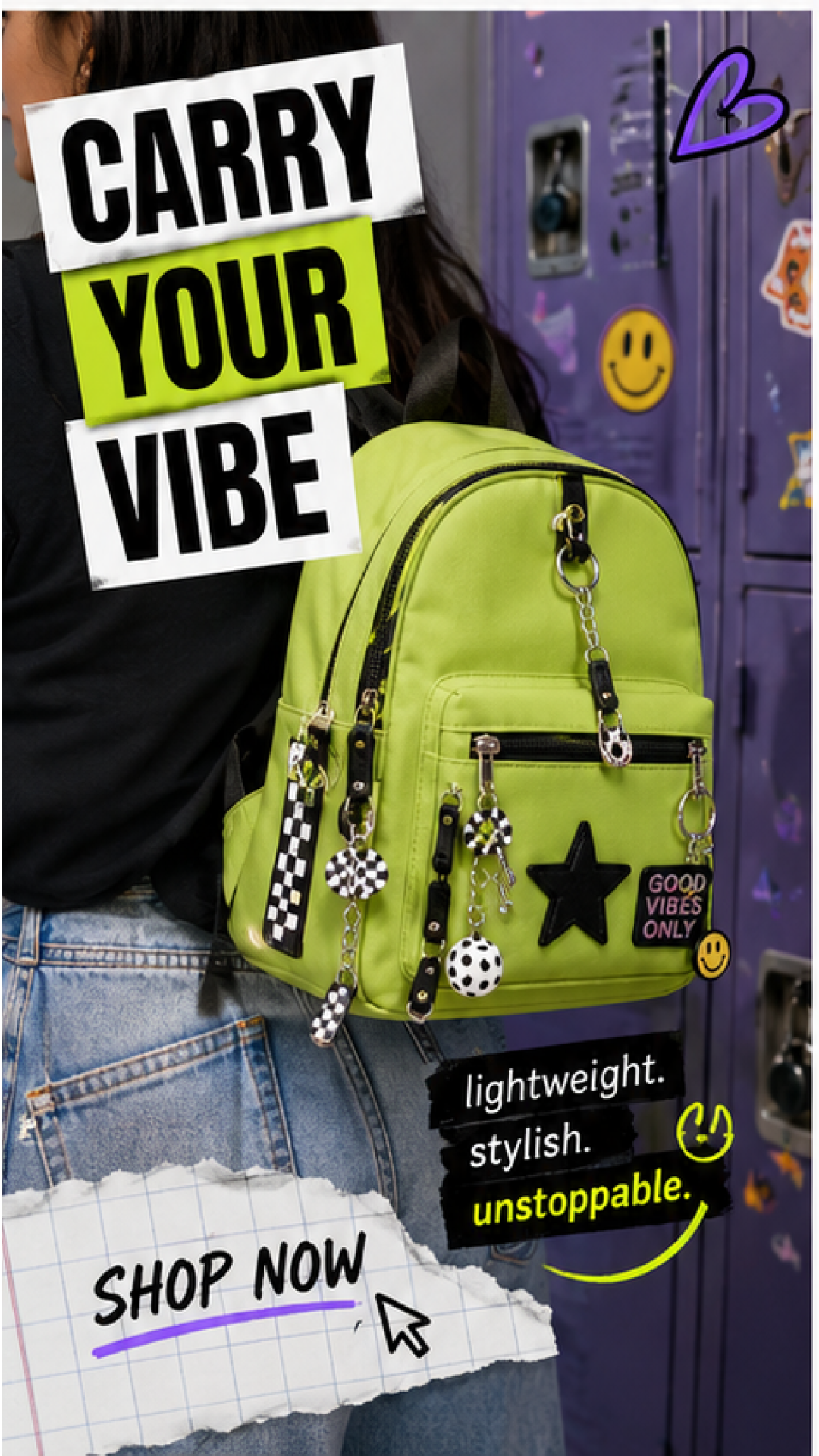
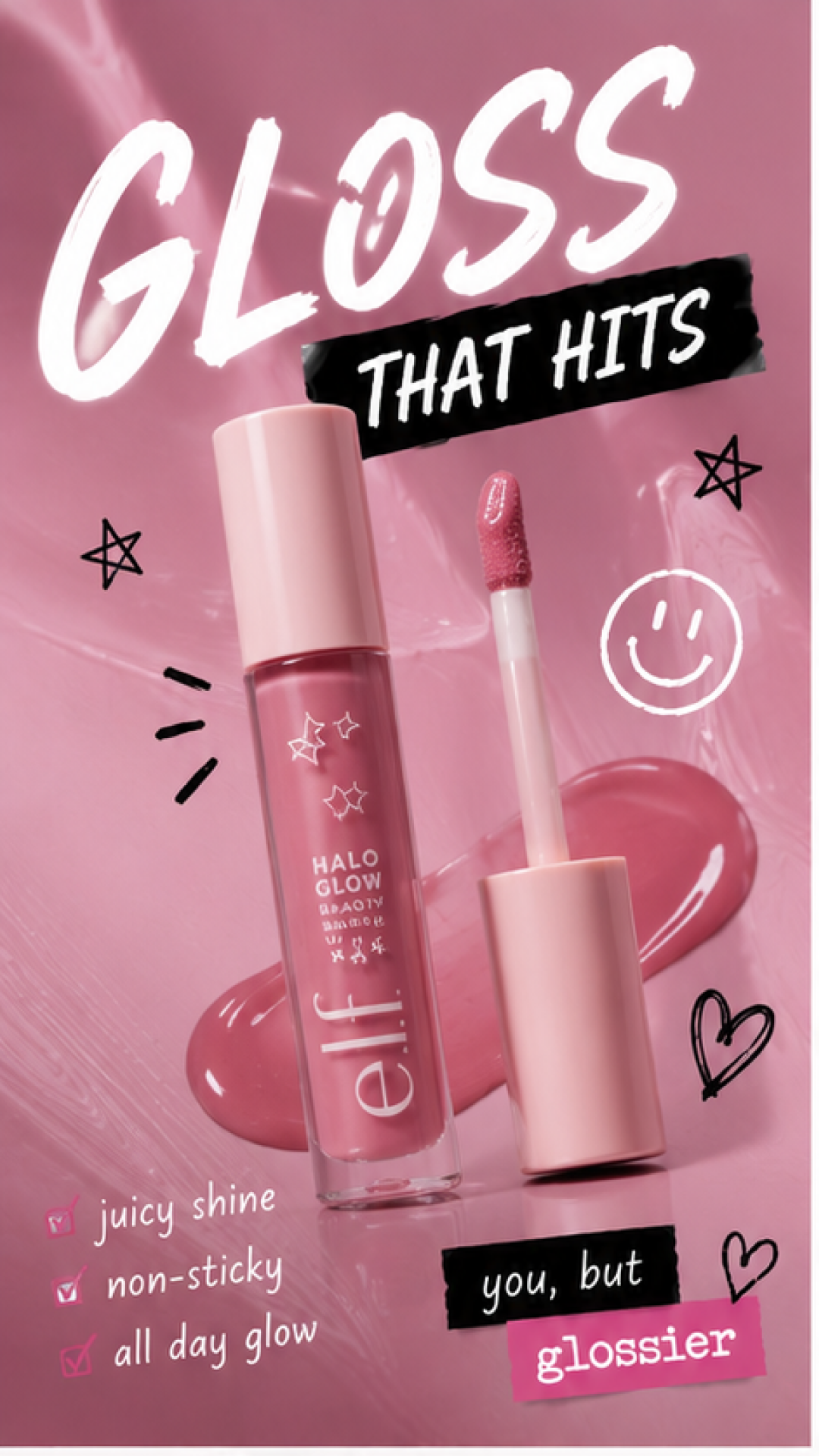
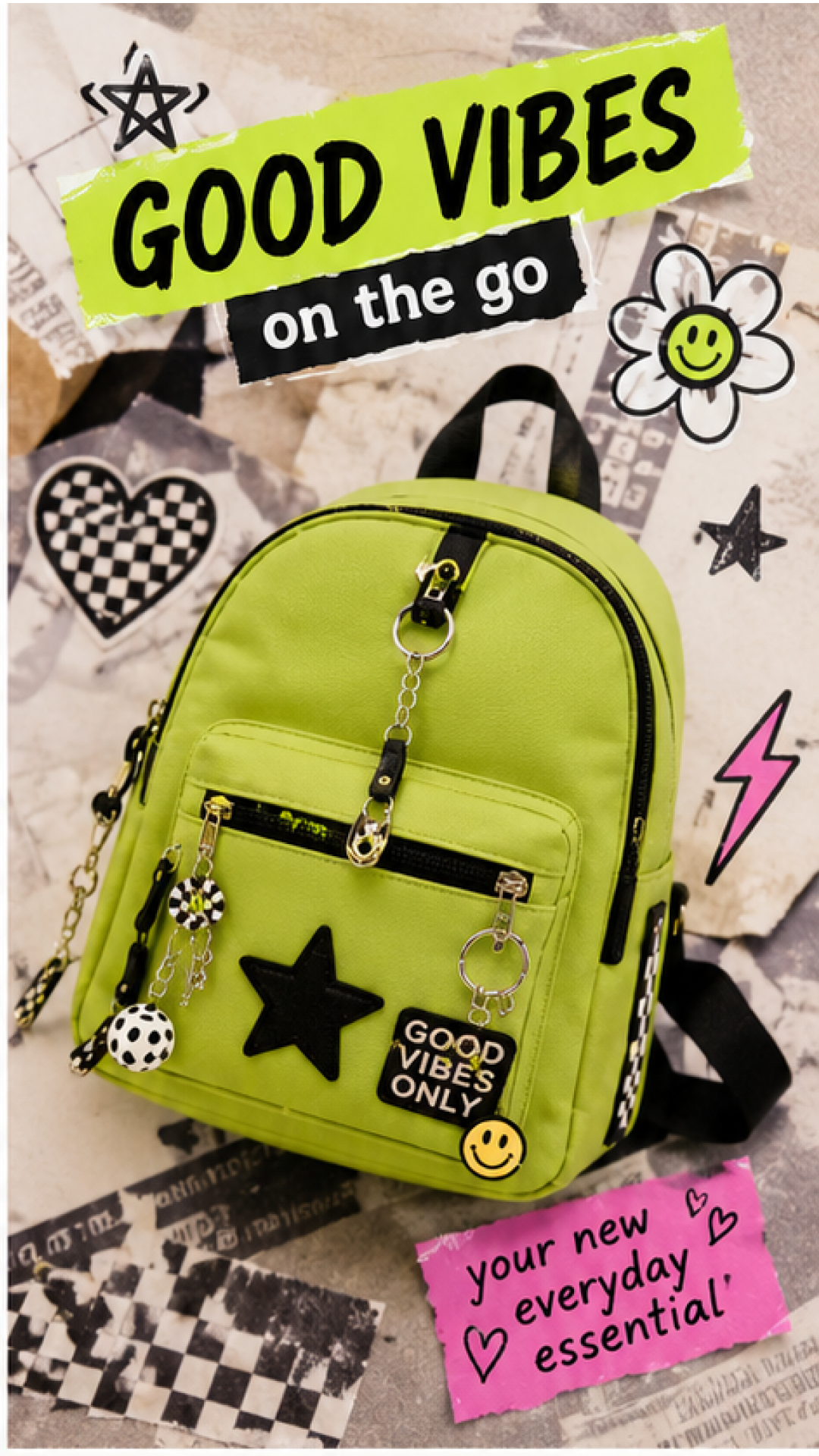
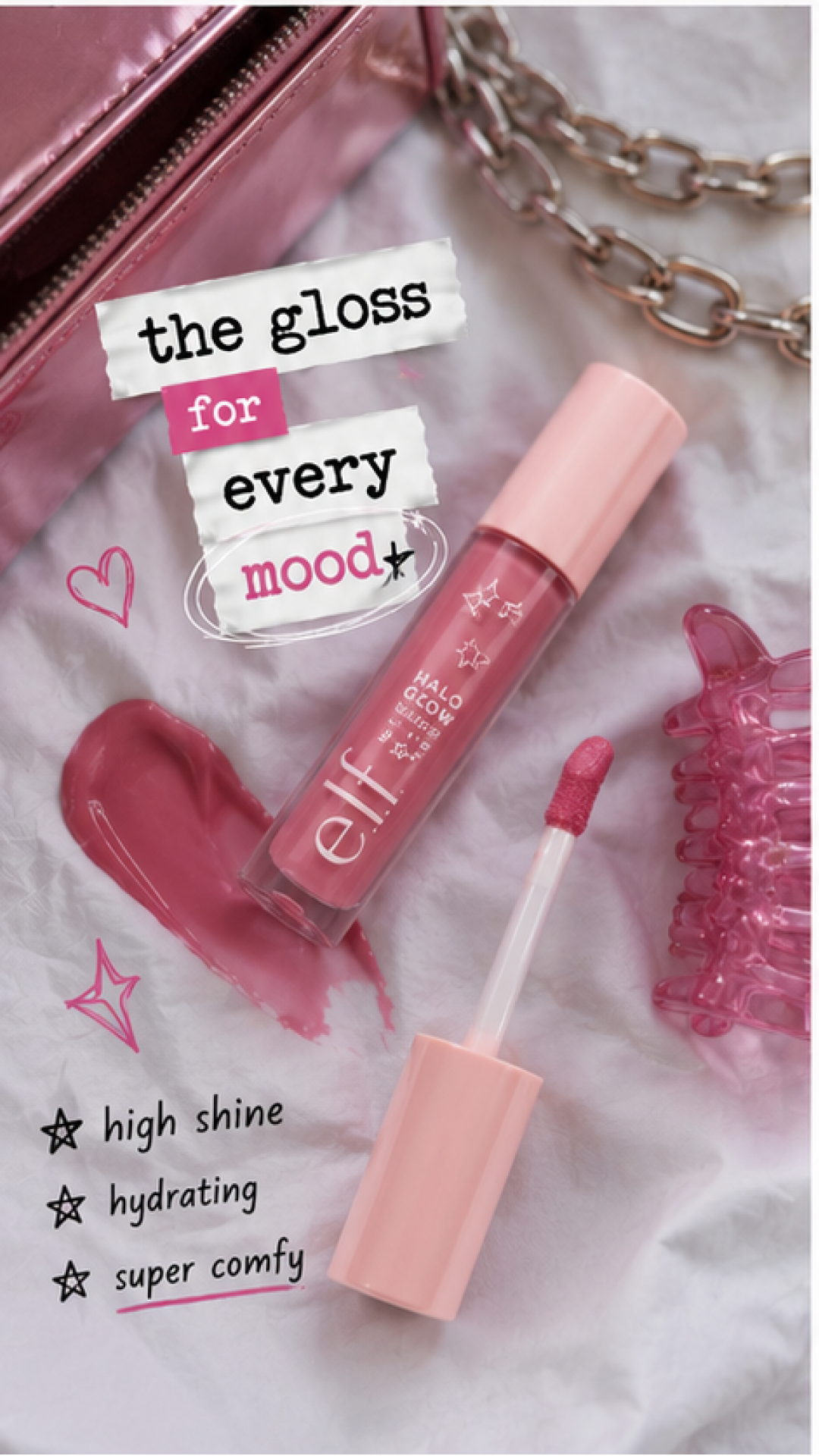
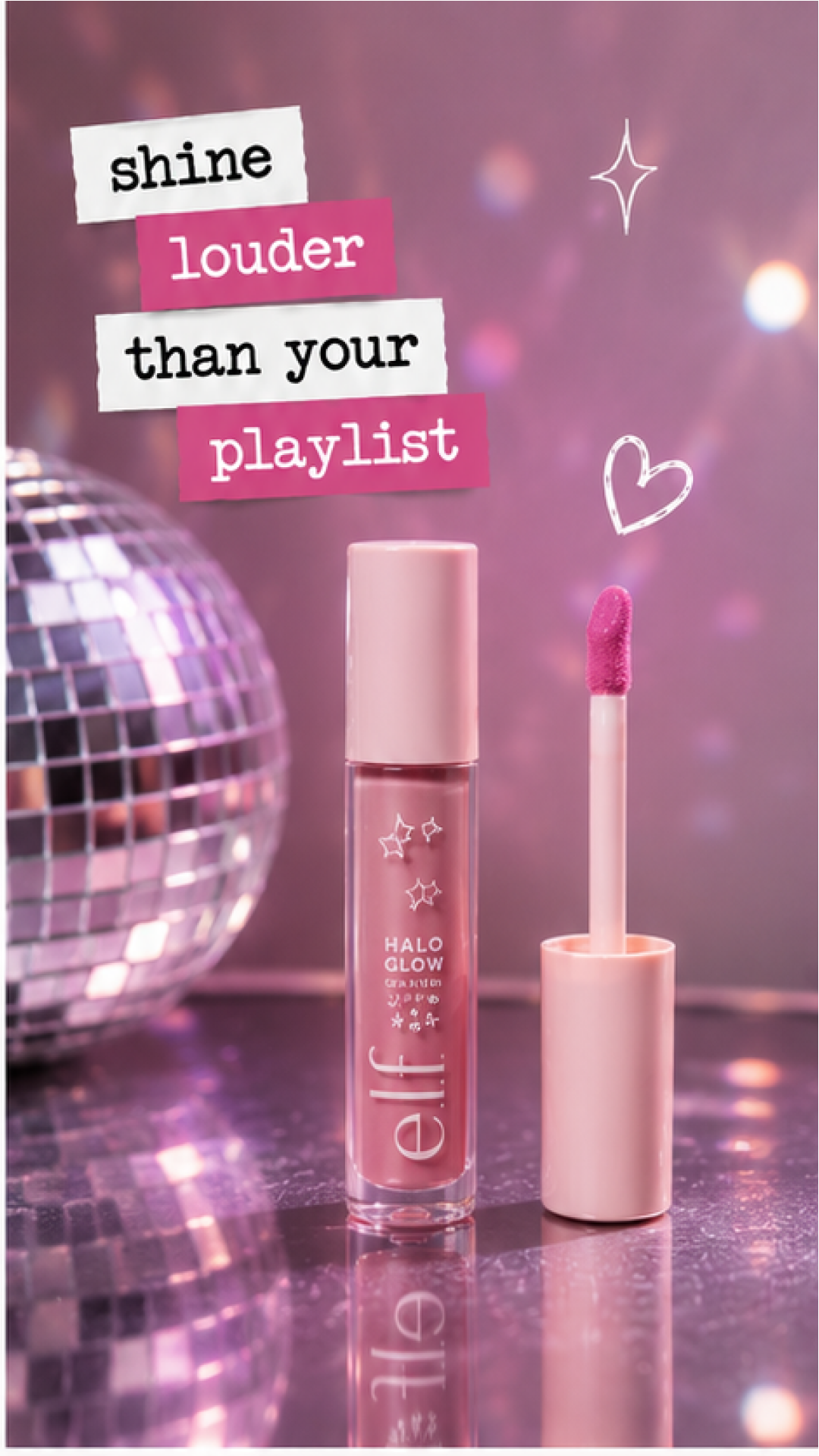
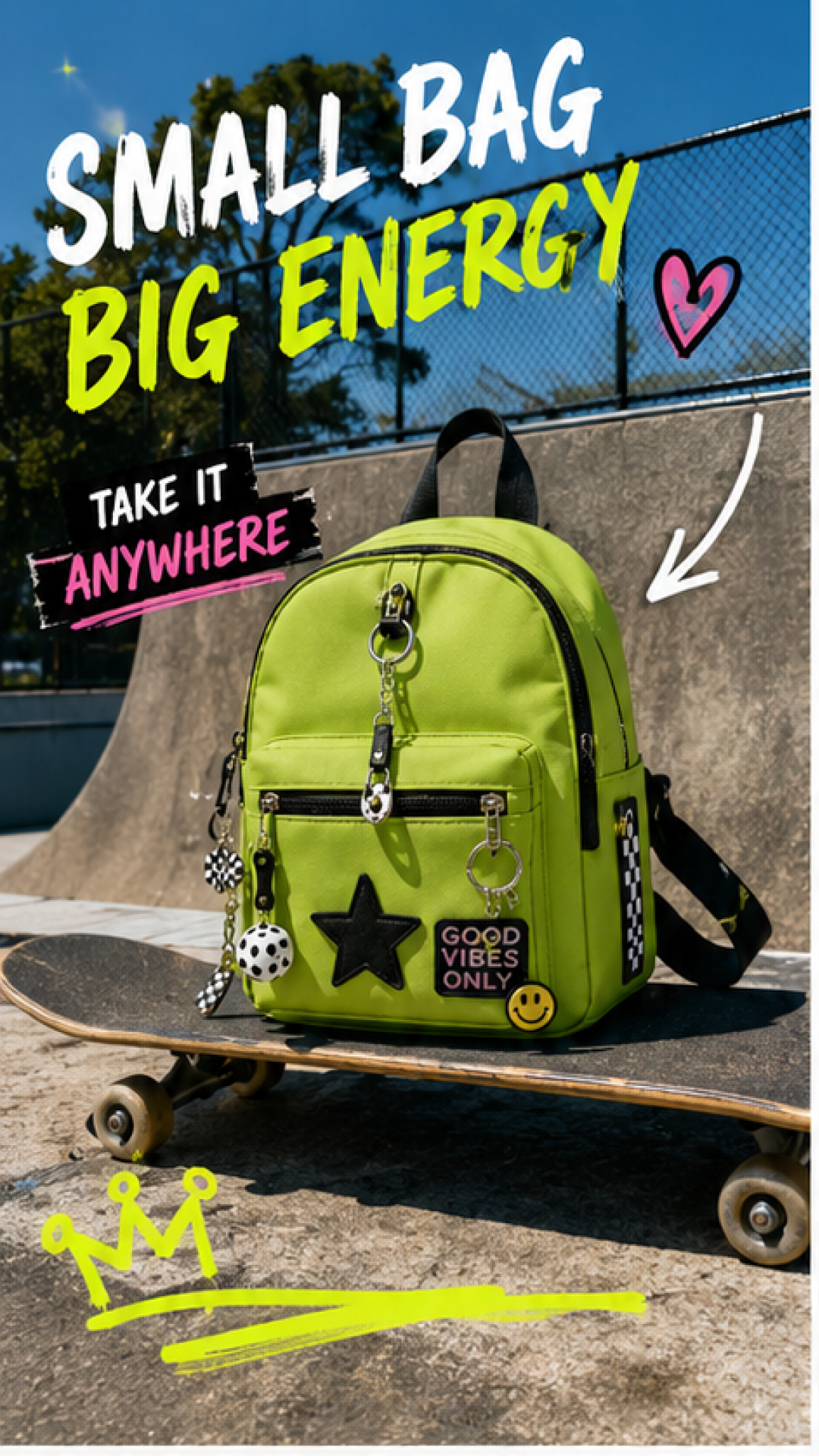
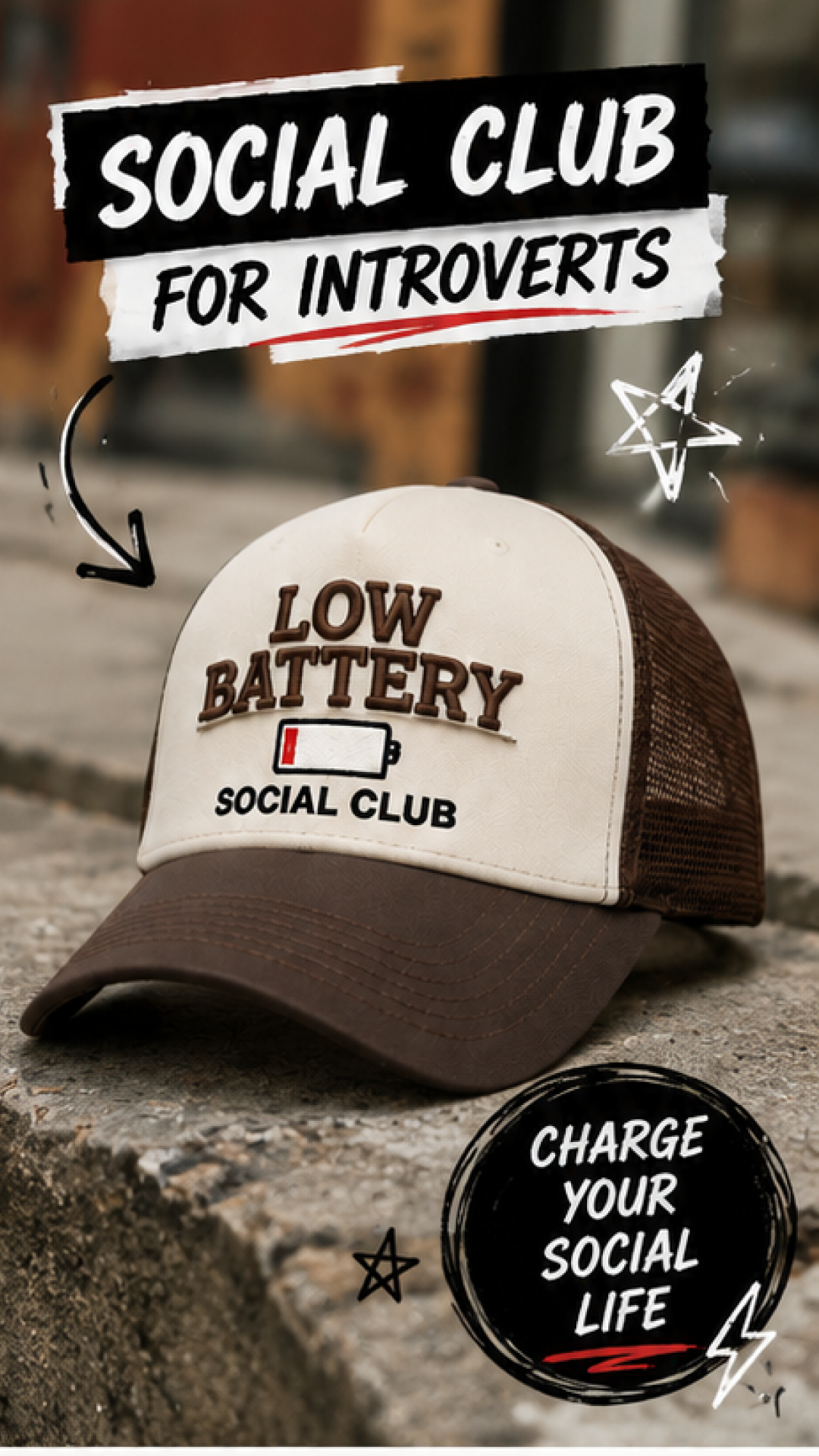
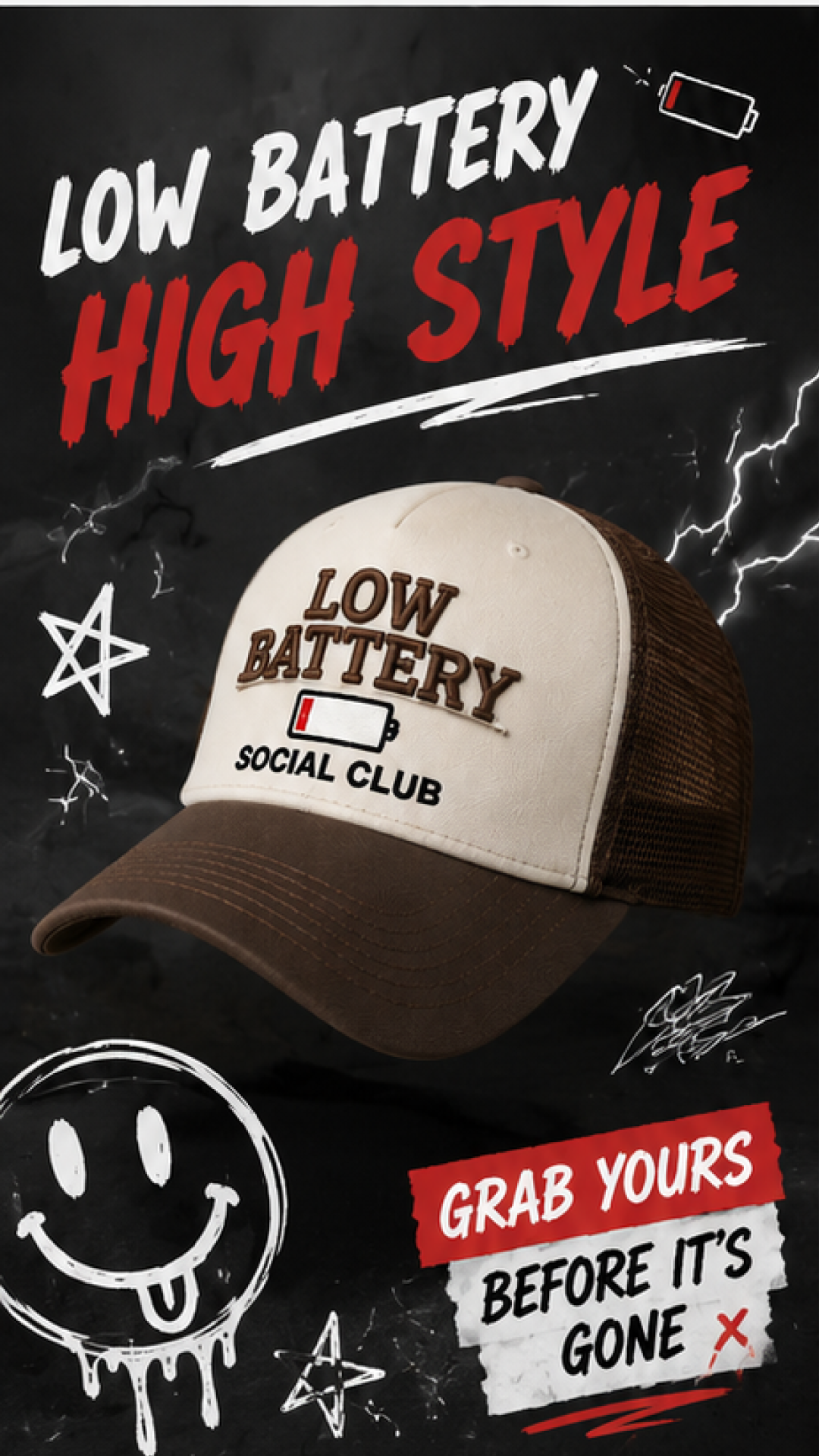
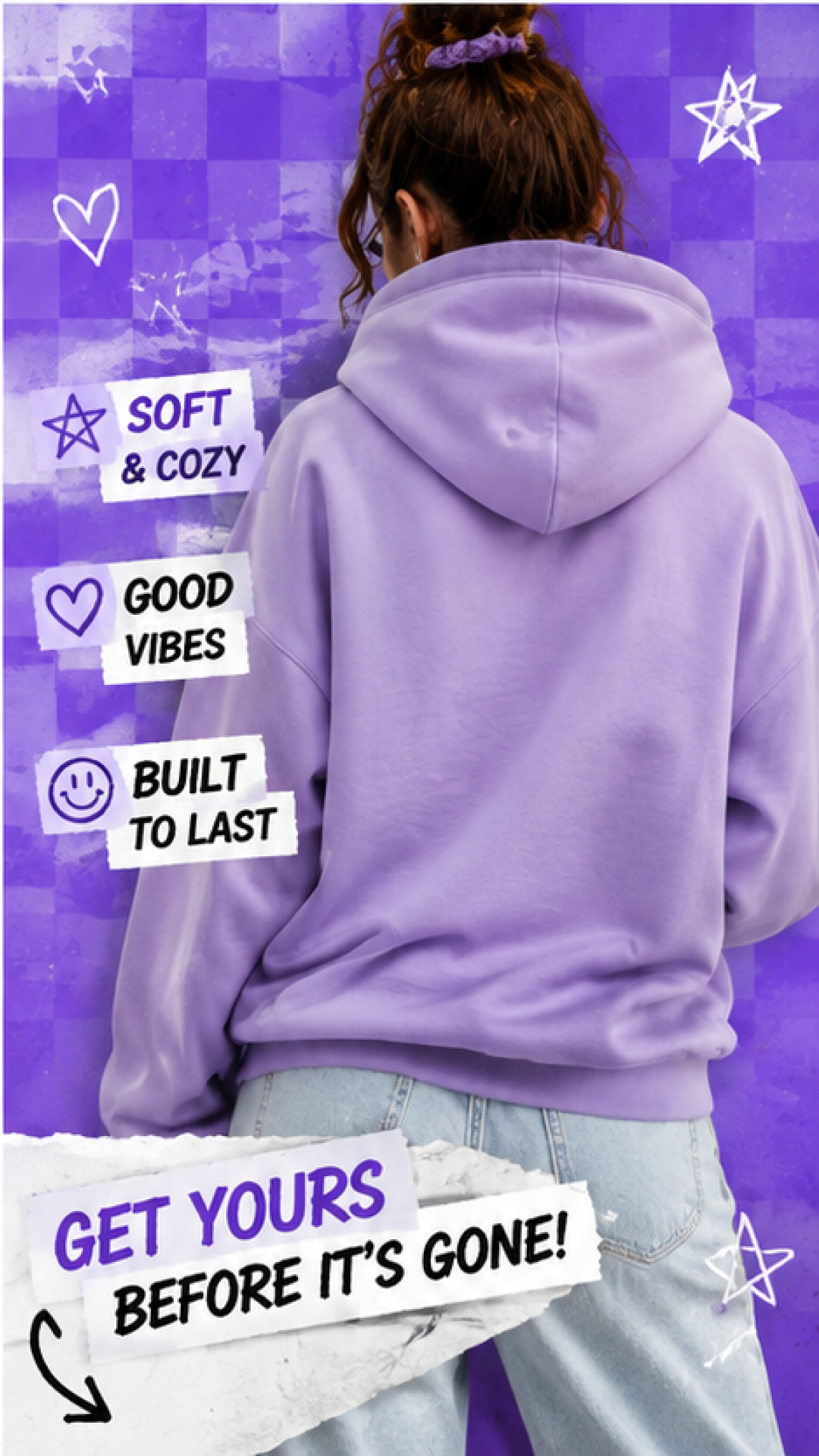
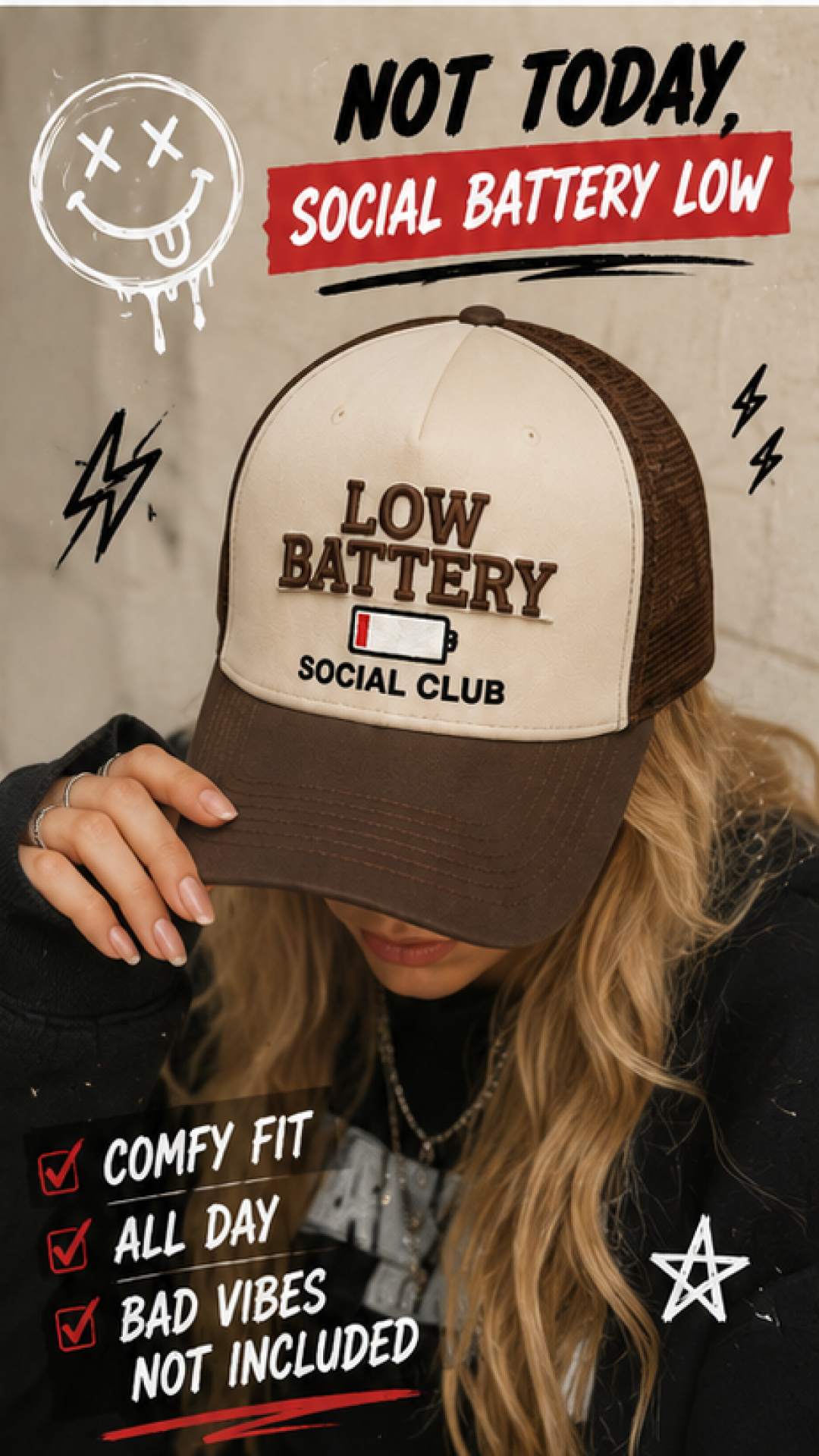
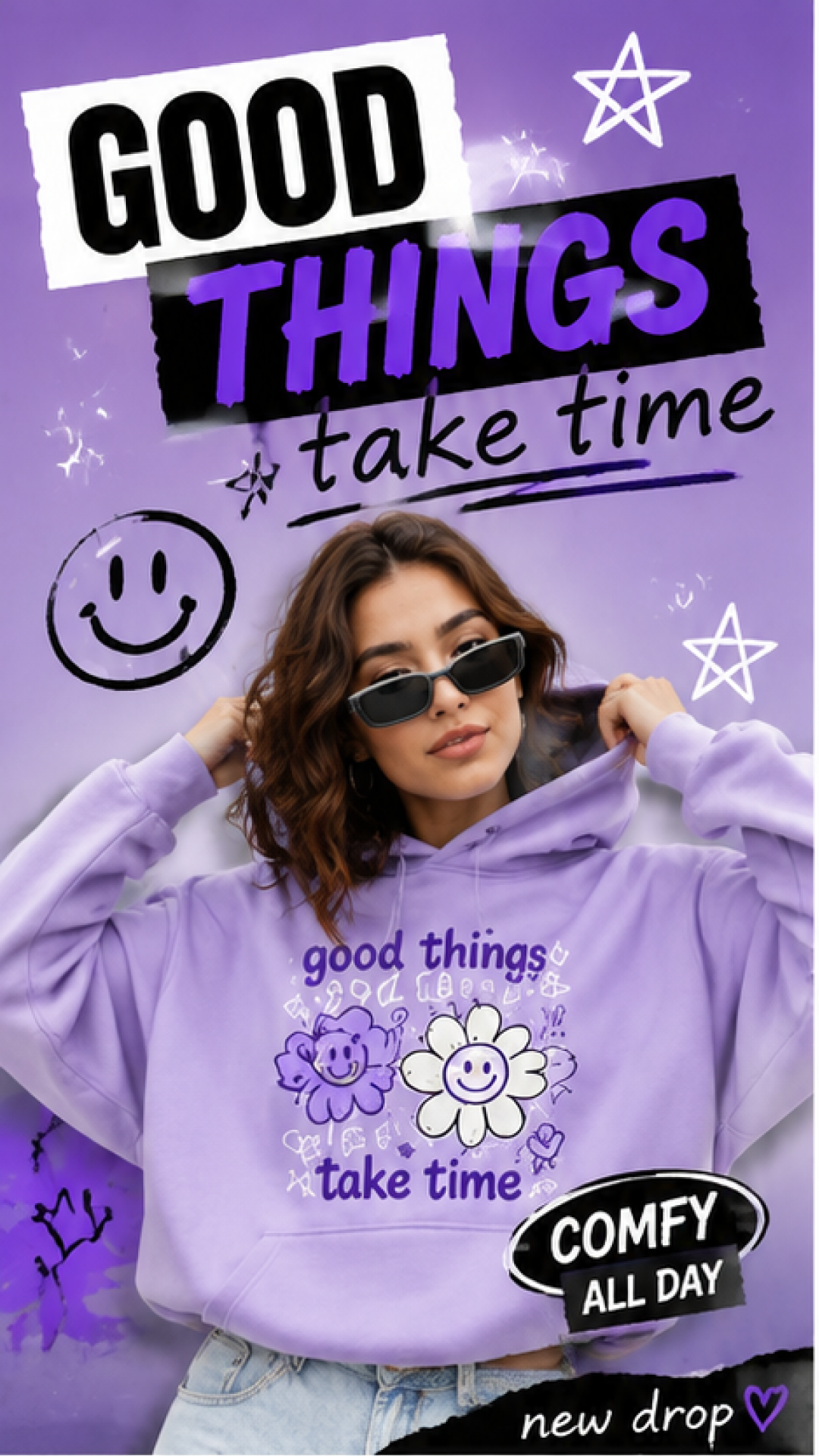

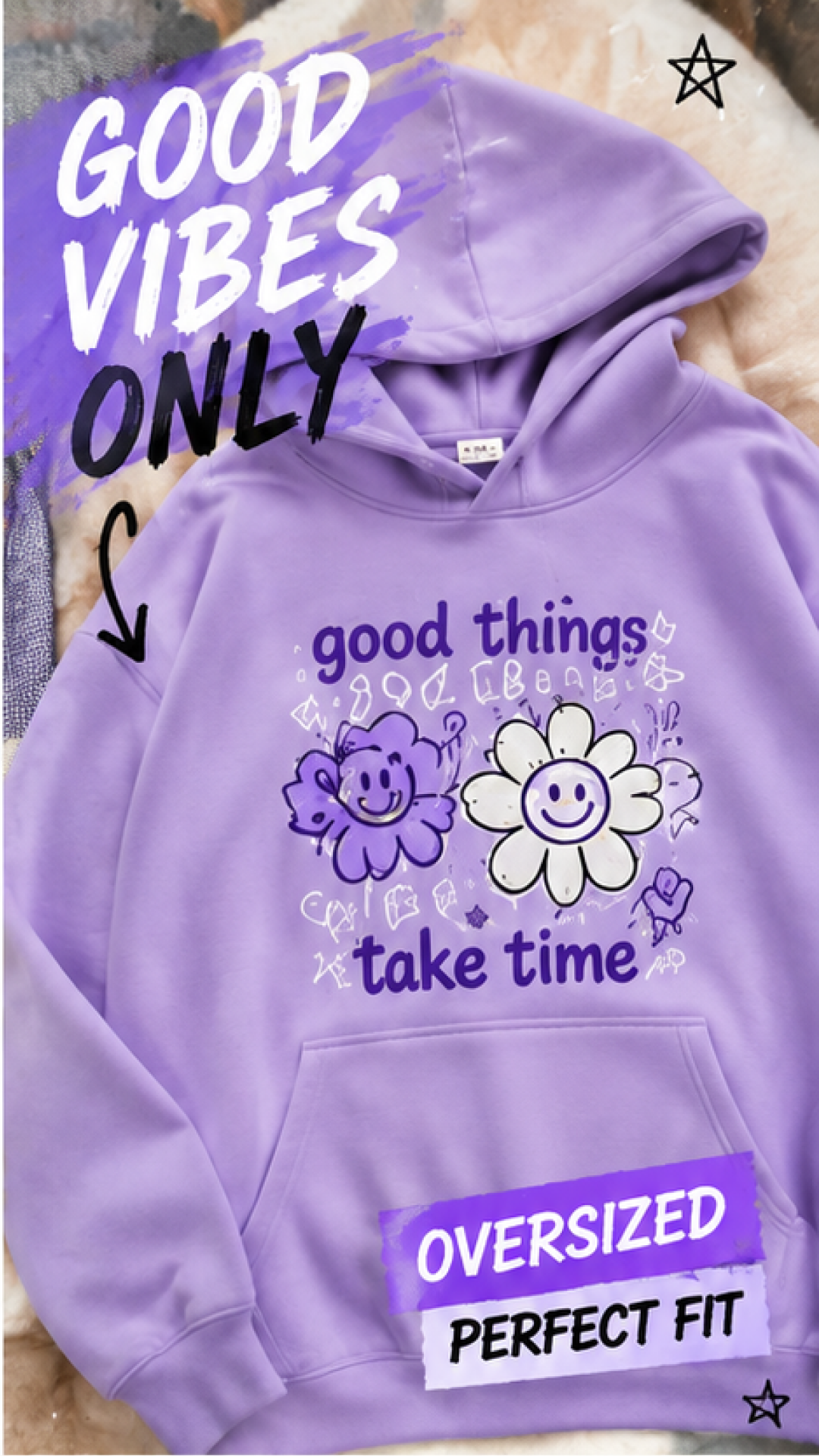
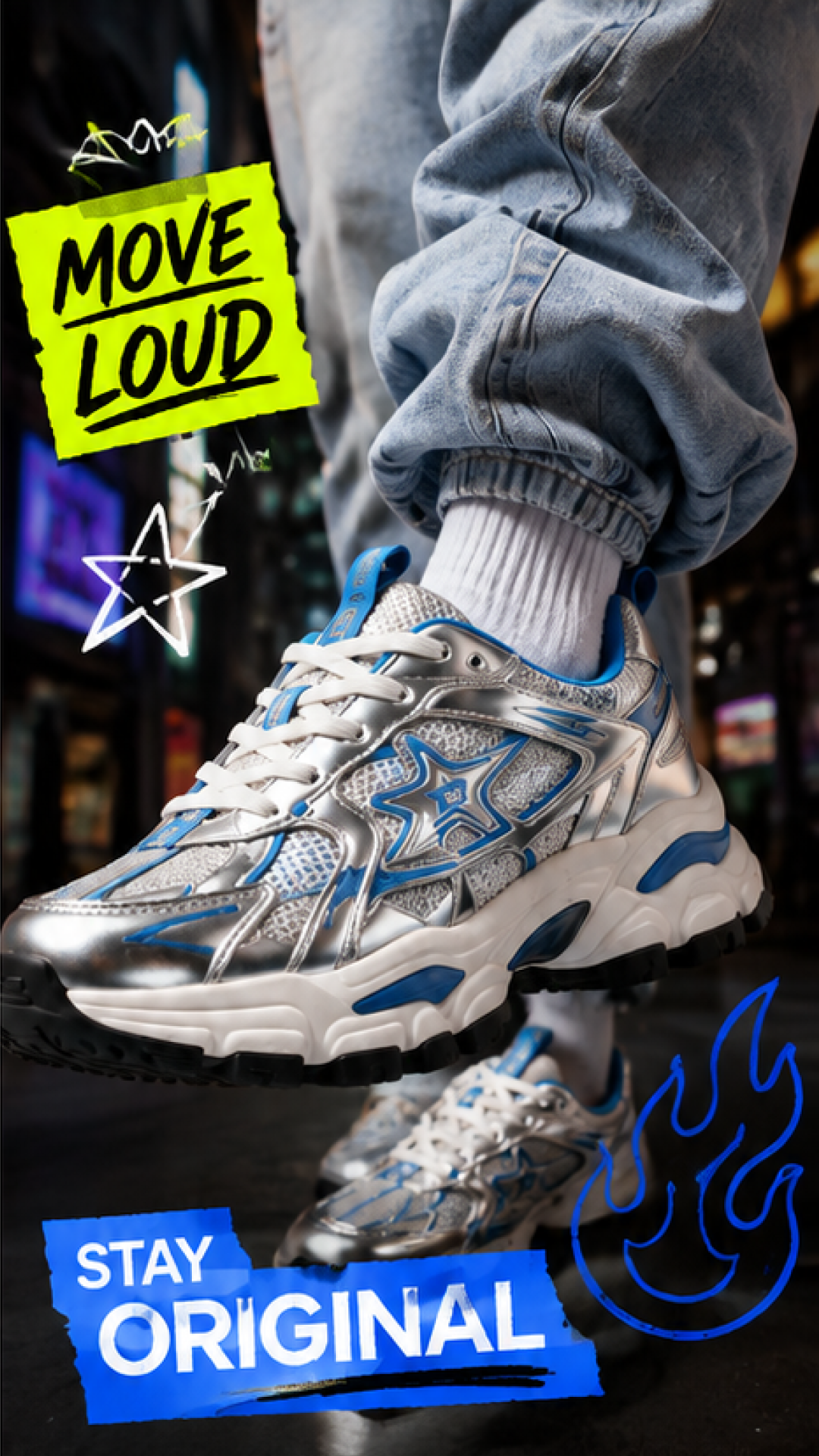
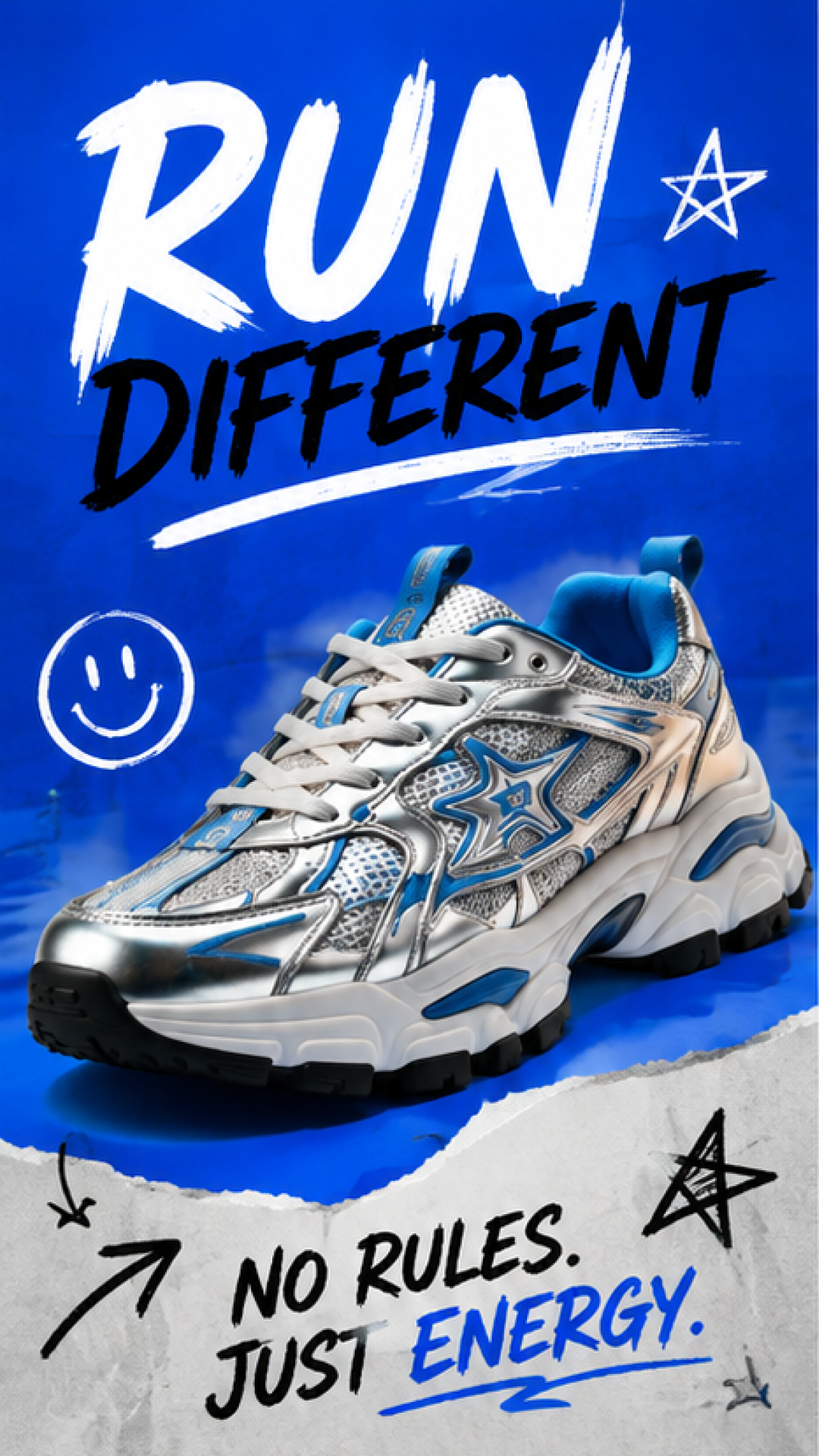
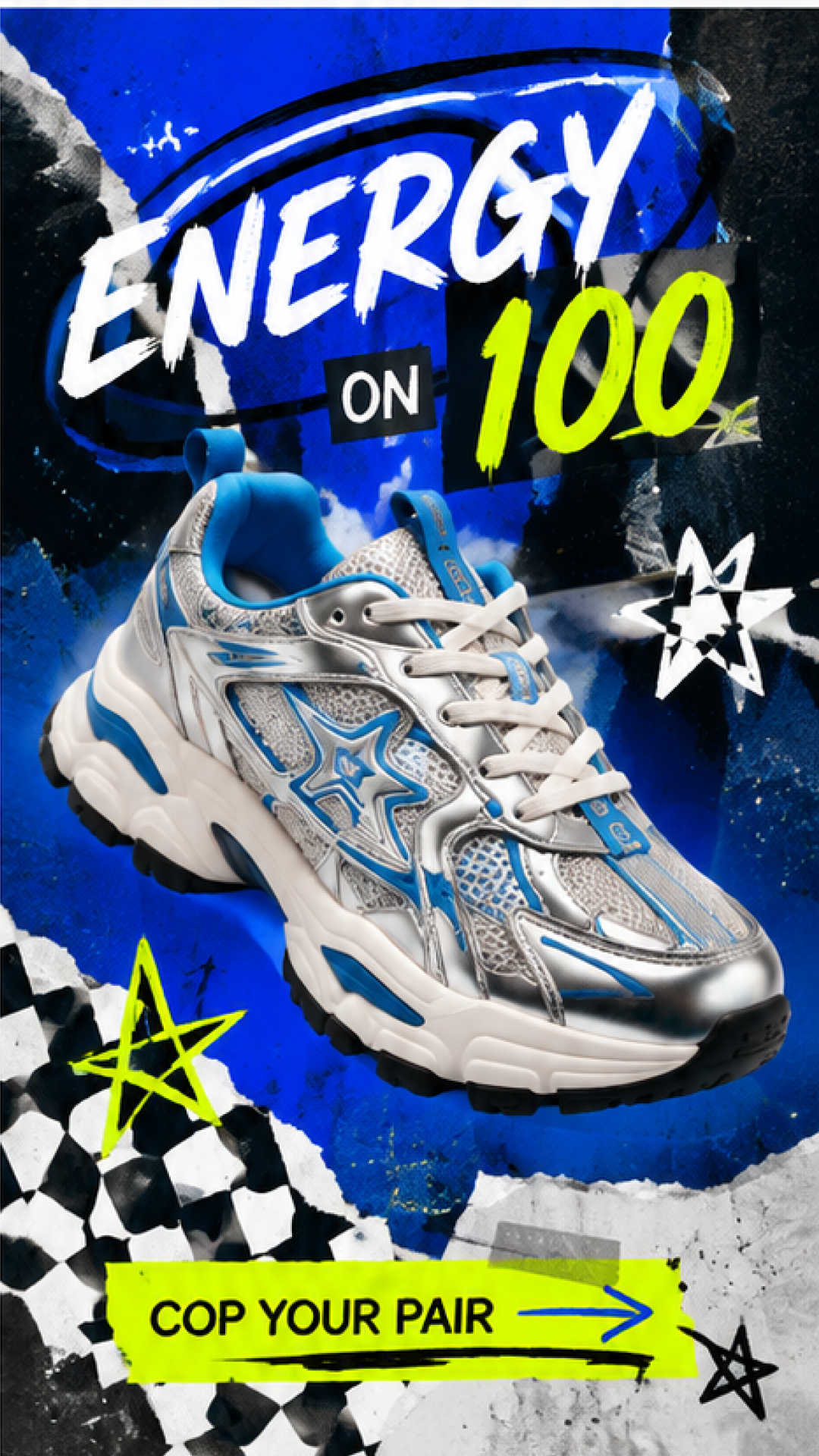

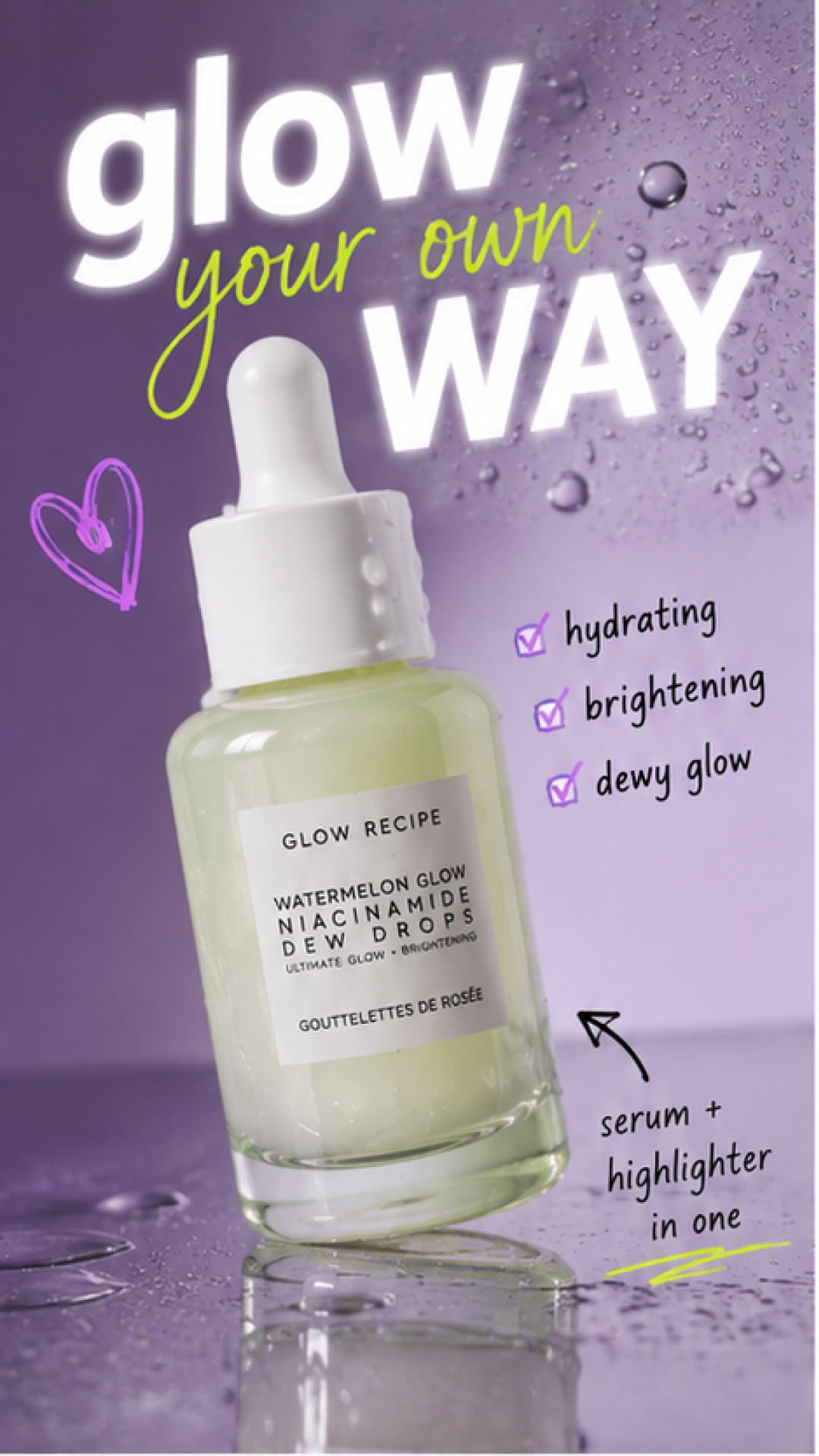
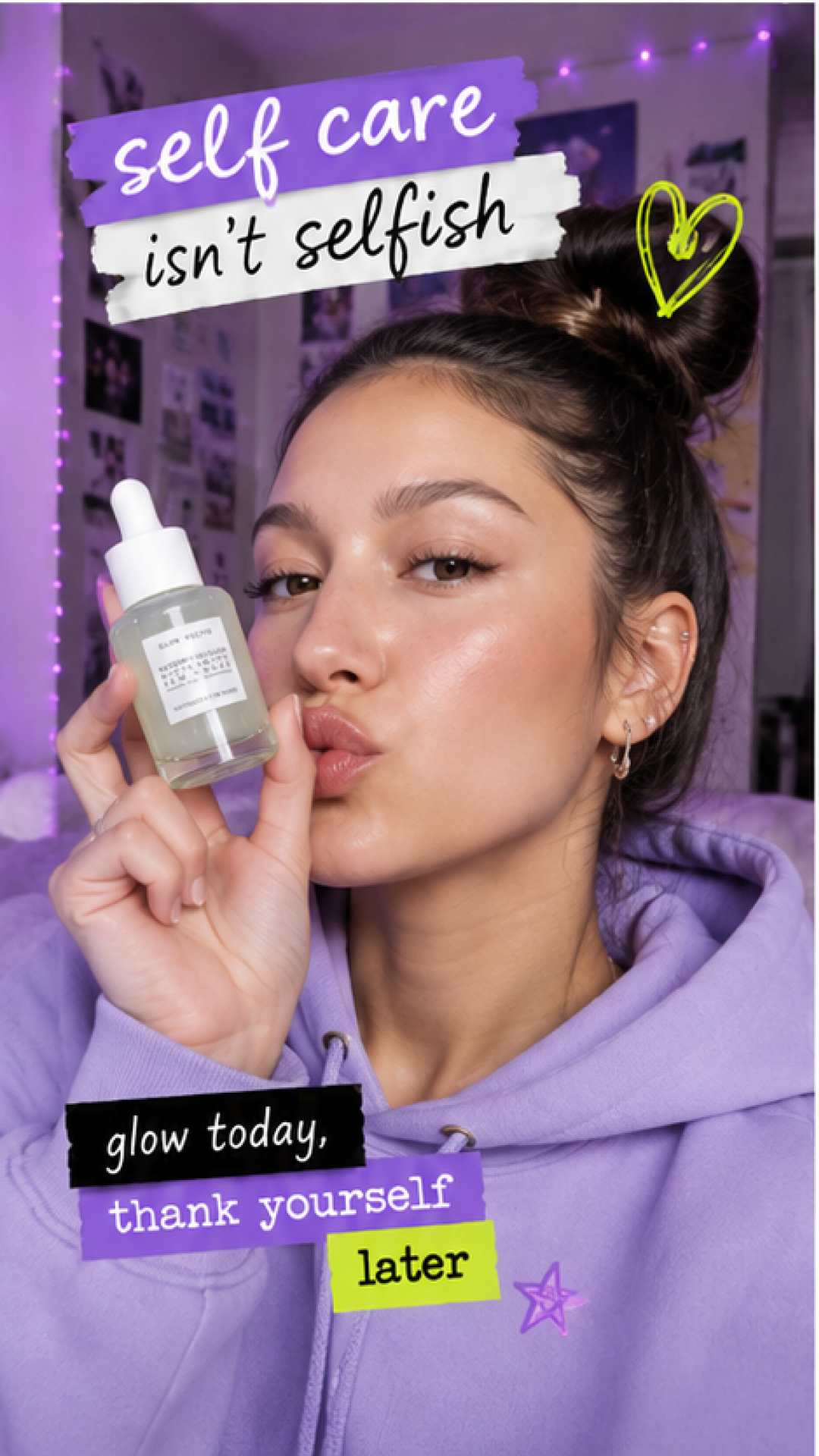
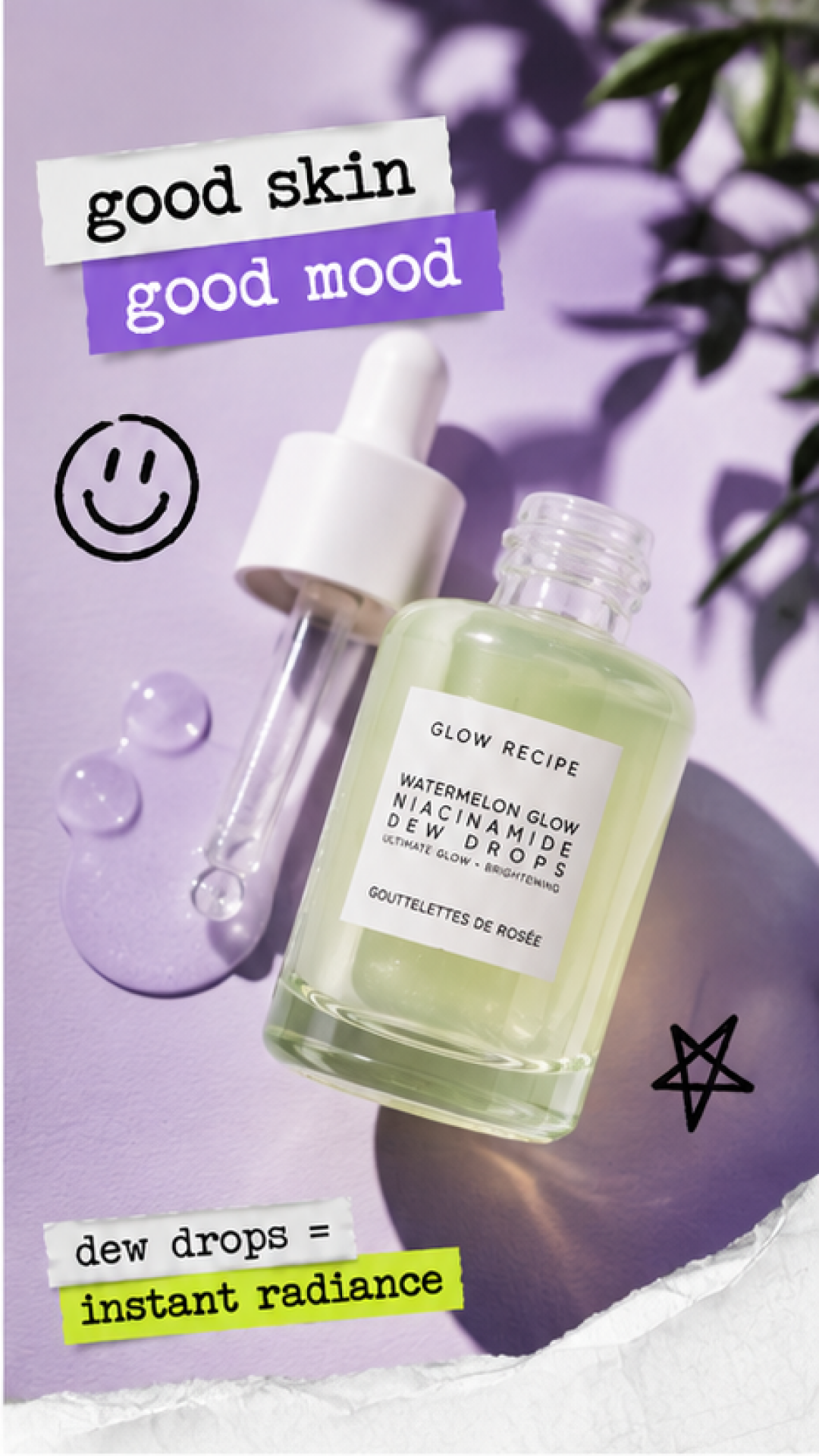
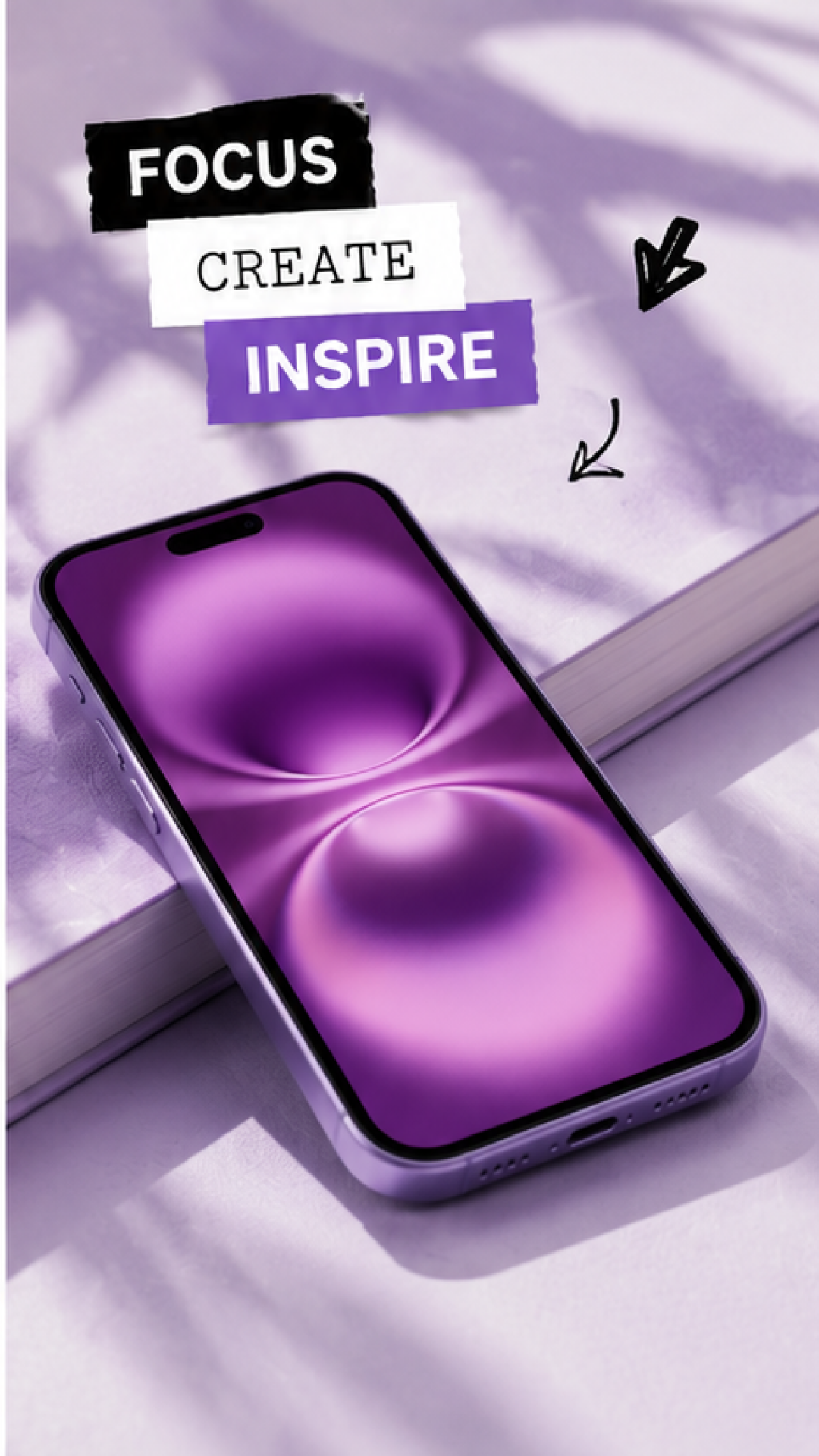
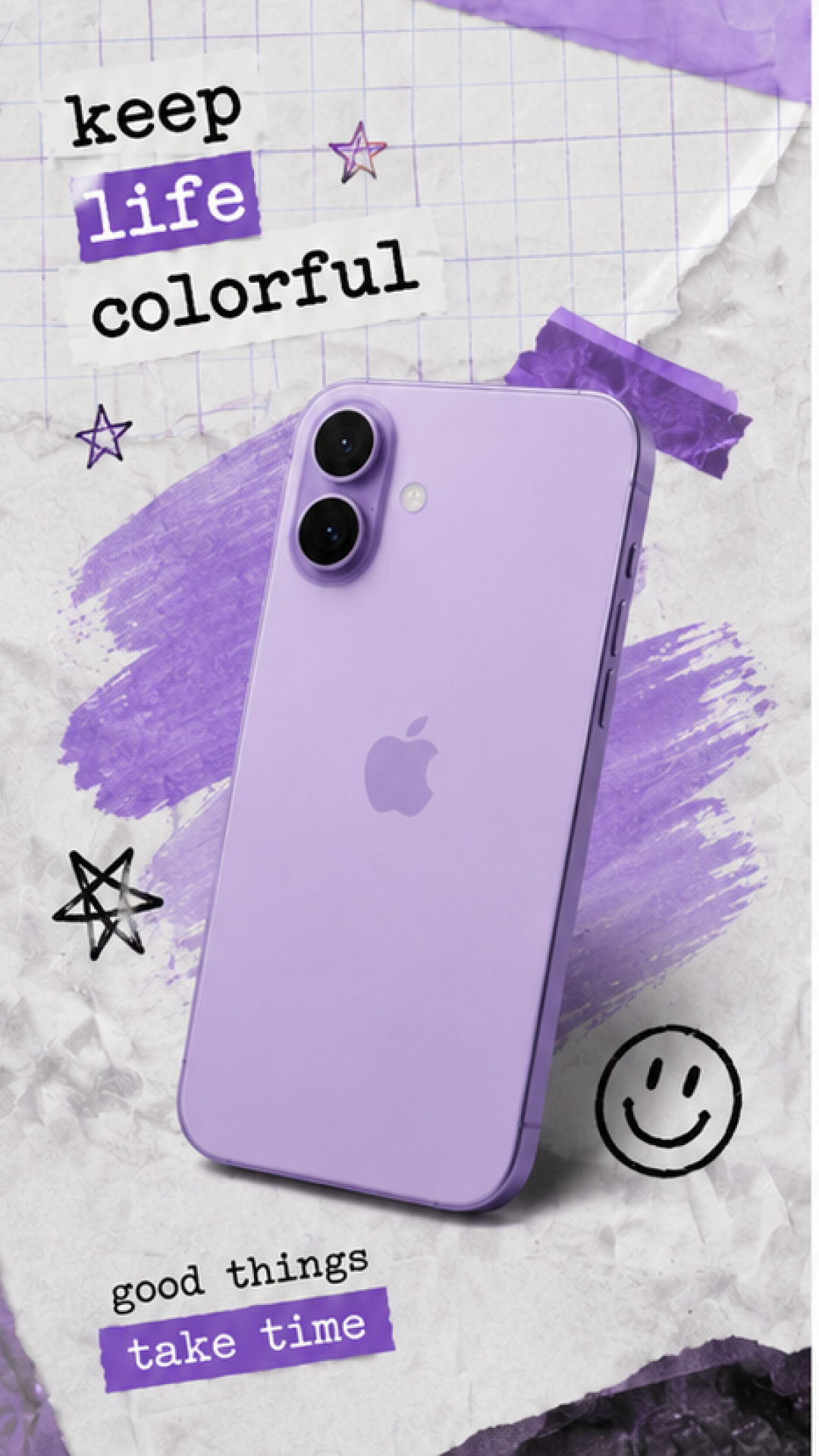
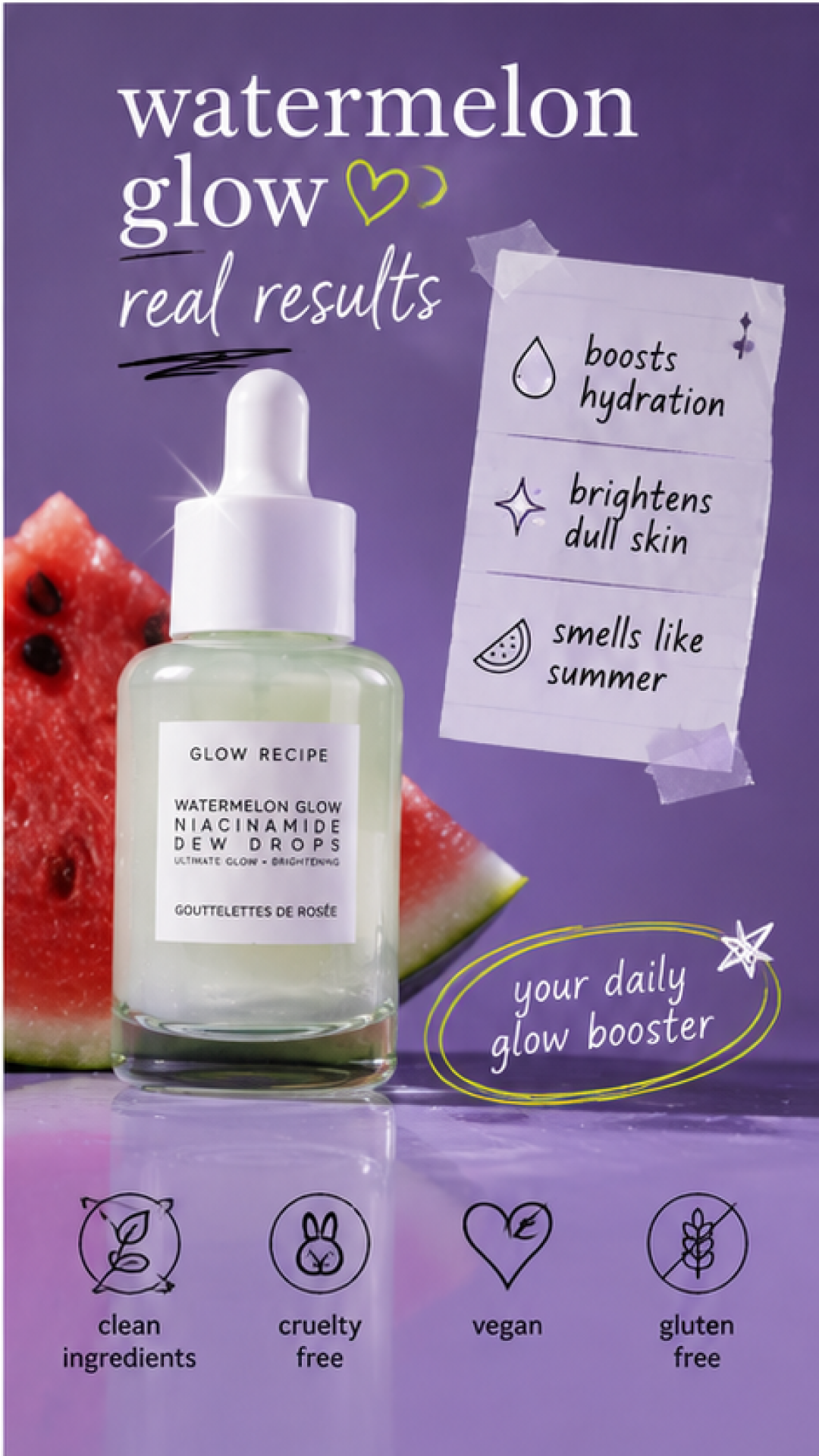
Build catalog creative that survives the For You page
Native beats polished, and that is a production advantage
On most placements, a more finished ad performs better. TikTok inverts that. Creative that looks shot on a phone, that opens mid-thought, and that shows a product being used rather than presented, holds attention longer than the same product on a clean studio background. For a brand with a large catalog this is good news rather than bad, because the bar is not a higher production budget, it is a different set of template rules: looser crops, on-screen text placed where a caption would sit, and a first frame that shows the product in context instead of centred on white. Those rules can be applied across a feed as easily as a polished template can.
Vertical is the format, not a crop
A square feed image letterboxed into 9:16 wastes roughly half the screen and signals immediately that the ad was made for somewhere else. Building vertical first changes what the template can do: there is room for a product shot, a benefit line and an offer stacked down the frame rather than competing inside a square. The constraint to design around is the interface. TikTok's caption, username, and action rail occupy the lower and right portions of the screen, so anything load-bearing has to sit inside the safe area. Check current safe zone dimensions against TikTok's published specs at each refresh, because they move.
Spark Ads and catalog feeds can run the same creative system
Build product sets, apply labels and segment your catalog for better targeting.
Launch Ads Everywhere
Push your feed to Meta, Google, TikTok, Pinterest and Snapchat - from one place.
Related sets


Build every variant, run them against each other, ship the one that wins.
FAQ
No. Every concept on this page was built by the Marpipe team using Marpipe, starting from publicly available product imagery. None of them were run as advertising by the brands shown, none were commissioned by those brands, and no brand featured here has a commercial relationship with Marpipe. Each concept card is labelled "created with Marpipe" on the image itself. To see ads brands are actually running on TikTok, use TikTok's own Creative Center.

Vertical at 1080x1920, 9:16, for every in-feed placement. On length, the practical window is nine to fifteen seconds for direct response, with the product visible inside the first second. TikTok accepts considerably longer, but watch-through falls away quickly and catalog ads rarely need the time. Check TikTok's published ad specifications before a build, since supported ratios and file limits change more often than on other platforms.
Catalog ads run on TikTok. Video Shopping Ads and TikTok Shop placements both pull from a product catalog, in the same way Meta's dynamic product ads do. The difference is that the default output is even less forgiving: a bare packshot dropped into a vertical frame looks obviously imported. Enriching the creative before the feed is published is what closes that gap.
An In-Feed Ad is creative you upload and run from Ads Manager. A Spark Ad is boosted from an existing organic post, either your own or a creator's with permission, and carries that post's handle, comments and engagement. Spark Ads tend to feel more native for that reason. Both can be fed by the same creative template system, which is the argument made in the third section above.
Partly. The vertical frame and the native tone transfer well, and most brands reuse assets across all three. What does not transfer cleanly is the safe area, because each interface places its captions and action controls differently. Building one vertical master with a conservative safe zone, then adjusting text position per placement, is more reliable than exporting the same file to all three.